



What is HPV?
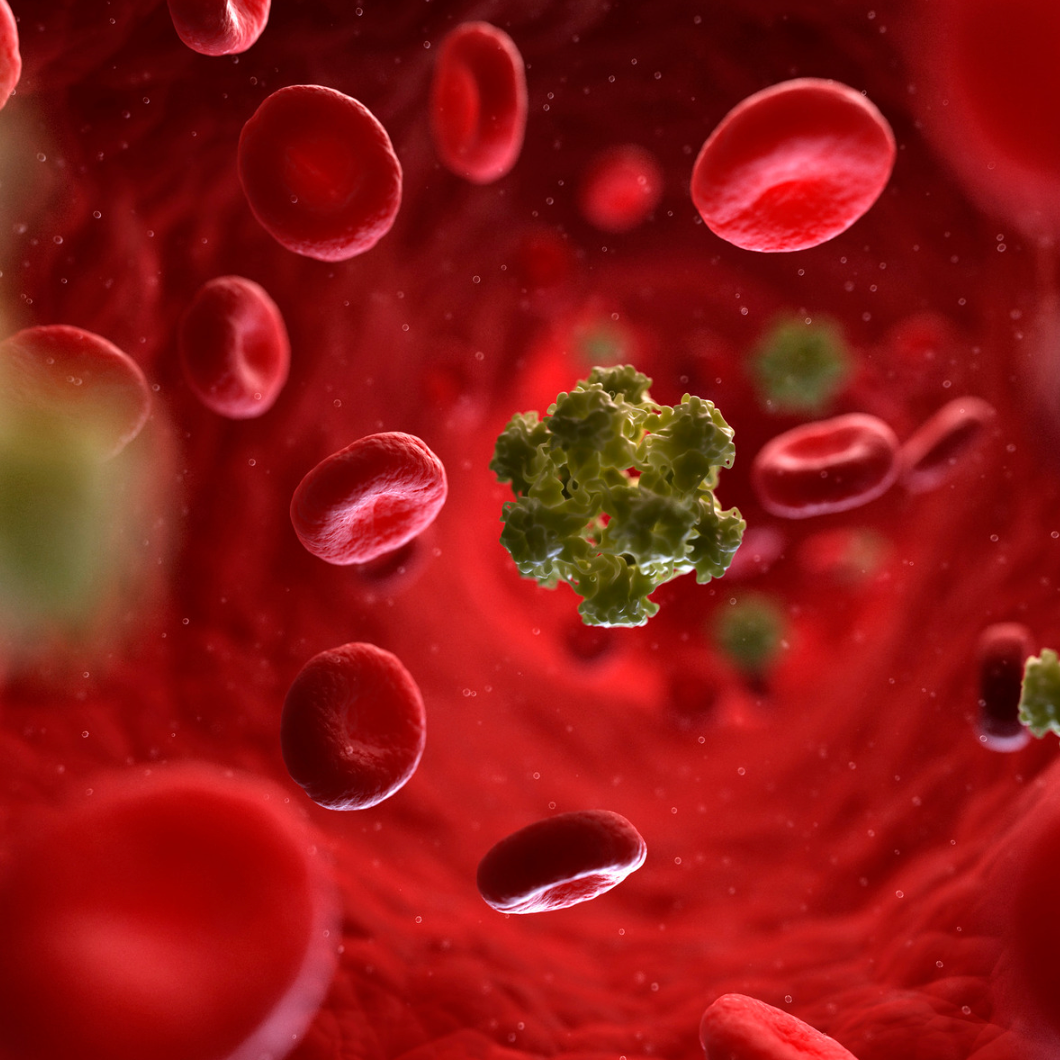
Human papillomavirus (HPV) is a group of viruses, where some types are sexually transmitted and can cause genital warts or cancer of the mouth, pharynx, labia, cervix or penis.
What happens if I get HPV?
Many people can go with the virus for a long time without symptoms, but when the virus is active, genital warts or cell changes can form in the deeper layers of the skin. Over a long period of time, this can develop into cancer if left untreated. Cell changes cause symptoms such as coloured discharge such as odour, small bleeding from the vagina, bleeding after intercourse or during physical activity, and pain/discomfort from the abdomen or lower back.
Why should I get vaccinated?
It provides good and long-lasting protection against infection by the types of HPV viruses that cause cervical and penile cancer, and therefore helps to prevent the development of these types of cancer.
What are the side effects with the HPV vaccine?
It is common to get a little ache in the arm where the vaccine was put, some experience that the skin here becomes a little red and warm. Others may have a rash, headache, mild cold symptoms, stomach cramps or nausea. These are common side effects, completely harmless and short-lived.
I am over 25 years old and have been sexually active for a long time, should I still take the vaccine?
It is not too late, even those who are older and have made their sexual debut have a good and long-lasting effect of the vaccine, even if they have previously had an infection with HPV.
Why does not everyone get the offer of the vaccine regardless of age?
Everyone can take the vaccine regardless of age, but it is included in the childhood vaccination program as it is considered beneficial to be vaccinated and protected before making a sexual debut.
What is the difference between Gardasil-9 and Cervarix?
Gardasil-9 and Cervarix are both vaccines that protect against human papillomavirus (HPV), but they contain different combinations of HPV strains and are developed by different manufacturers.
Gardasil-9 protects against nine different types of HPV: 6, 11, 16, 18, 31, 33, 45, 52 and 58. These HPV types are responsible for most cases of cervical cancer, as well as other HPV-related diseases such as genital warts and certain cancers of the genital organs.
Cervarix only protects against the two most common cancer-causing HPV types, 16 and 18, which together cause approximately 70% of cervical cancer cases.
Both vaccines are recommended to reduce the risk of cervical cancer and other HPV-related diseases, but Gardasil-9 provides broader protection against a greater number of HPV types, including those responsible for genital warts. The choice between Gardasil-9 and Cervarix may depend on availability, individual health needs and doctor's recommendations.
What are the latest recommendations regarding the HPV vaccine in Norway?
It may be a good idea to check the latest recommendations from the Norwegian Institute of Public Health regarding the HPV vaccine in Norway to keep you up to date.
How is the HPV vaccine administered and how many doses are needed?
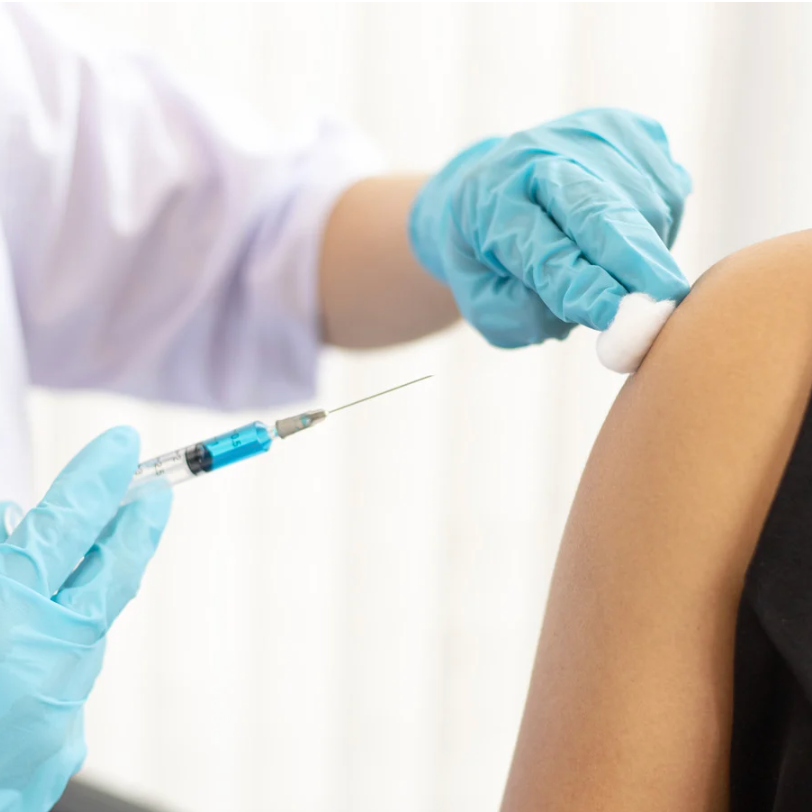
The HPV vaccine is given as injections, usually in two or three doses depending on the age of the person being vaccinated.
What is the risk of HPV infection without a vaccine?
Without a vaccine, the risk of HPV infection is present, and it can lead to cervical cancer and other HPV-related diseases.
How can I reduce my risk of HPV infection without a vaccine?
To reduce the risk of HPV infection without the vaccine, you should practice safe sex, use a condom, and avoid sexual activity with people who are infected with HPV.