Physiotherapy: education, treatment and what happens at the appointment
A physiotherapist examines, treats and prevents injury and disease, with the aim of improving or maintaining function [1]. The title is protected and requires authorisation [1]. Treatment can include adjustment of activity, exercises, training and soft tissue treatment [4].
See availabilityWhat is physiotherapy?
Physiotherapists assess the patient's function, make treatment and exercise plans, follow up and document treatment, and give advice and guidance [1]. The aim is that the patient can work and take part in society as far as possible [1].
Physiotherapy covers many fields, from children with congenital disabilities to rehabilitation after illness and injury, and prevention [1]. This article is about physiotherapy for musculoskeletal conditions as offered in a private clinic.
Education and authorisation
Physiotherapy education is a three-year bachelor's degree. After it there are two-year master's programmes, including physiotherapy science, sports physiotherapy and clinical physiotherapy, and several further education options [1]. Dr.Dropin describes the education as three years at a university or college, followed by one year of internship in the municipal and specialist health services [4].
Physiotherapist is a protected title that requires authorisation [1]. The Norwegian Directorate of Health issues licences to intern physiotherapists and describes both internship and supervised practice as schemes connected with authorisation [2]. The Norwegian Physiotherapy Association approves specialists in physiotherapy [1].
Where do physiotherapists work?
Many work in the municipalities, for example in physiotherapy clinics, child health clinics, schools, healthy-living centres, home care services and nursing homes [1]. Others work in hospitals and rehabilitation institutions, in occupational health services, in private healthcare or in research [1].
Among the specialisations, Utdanning.no mentions manual therapy, neurological, orthopaedic, cardiac and pulmonary physiotherapy, sports physiotherapy and psychomotor physiotherapy [1].
What happens at a physiotherapy appointment?
The appointment starts with the physiotherapist taking your history. Dr.Dropin describes this as a central part of the diagnostic process [4]. Based on what emerges, an examination is carried out that can include observation of the movement pattern, measurement of muscle strength and joint mobility, and neurological and orthopaedic tests [4].
After the examination you are given a proposed treatment plan. It can consist of adjustment of activity, exercises, training and soft tissue treatment, and you are given information about what may lie behind the symptoms and how they usually progress [4].
What does NHI say about activity in back pain?
NHI writes that most people with acute back pain recover within one to two weeks without treatment, and that people usually recover faster by staying physically active. Bed rest should be kept to a minimum [3].
For most people with uncomplicated symptoms, continuing to work is regarded as positive [3]. In persistent symptoms the doctor can refer to an interdisciplinary back clinic, particularly if the symptoms do not improve after six to eight weeks [3].
When should you contact a doctor?
NHI recommends contacting a doctor in case of severe back pain, one-sided pain that radiates below the knee, or long-term symptoms that do not improve with self-care [3]. Pain at rest or at night, pain that increases, fever, unexplained weight loss, known cancer, marked weakness or loss of sensation in the legs are signs a doctor looks out for [3].
When can it be relevant to book an appointment with us?
A physiotherapist can examine your symptoms, explain the findings and make a plan for activity and exercise together with you. You do not need a referral from a doctor to book an appointment [5]. You can read more on the page about physiotherapy, and about shockwave therapy and diagnostic ultrasound as supplements in some conditions.
See availabilityFrequently asked questions about physiotherapy
What does a physiotherapist do?
A physiotherapist examines, treats and prevents injury and disease, and makes treatment and exercise plans together with the patient [1].
Do I need a referral to see a physiotherapist?
No. You do not need a referral from a doctor to book an appointment with a physiotherapist at Dr.Dropin [5].
How long is physiotherapy education?
The bachelor's degree is three years, and there are two-year master's programmes and further education options [1].
What is a specialist in physiotherapy?
The Norwegian Physiotherapy Association approves specialists. The specialisations include manual therapy, sports physiotherapy, orthopaedic and psychomotor physiotherapy [1].
Should I rest when I have acute back pain?
NHI writes that people usually recover faster by staying physically active, and that bed rest should be kept to a minimum [3].
Read more
You can read more about physiotherapy and psychomotor physiotherapy. You can find more articles in the overview of articles.
Sources
This article was written by Dr.Dropin Fysikalske and is based on the sources listed below. It gives general information and does not replace an examination by a healthcare professional.
The websites were accessed and read on 22 October 2026.
1. Fysioterapeut (Physiotherapist). Utdanning.no. Reviewed in cooperation with the Norwegian Physiotherapy Association 22 May 2025. Link
2. Ofte stilte spørsmål - Fysioterapeut (FAQ for physiotherapists). Norwegian Directorate of Health. Last updated 15 July 2026. Link
3. Korsryggsmerter, veiviser (Low back pain guide). NHI.no. Last updated 5 October 2020. Link
4. Undersøkelse og behandling hos fysioterapeut (Examination and treatment by a physiotherapist). Dr.Dropin Fysikalske. Link
5. Fysioterapeut Marius Knudsen (Physiotherapist Marius Knudsen). Dr.Dropin Fysikalske. Link
About the author
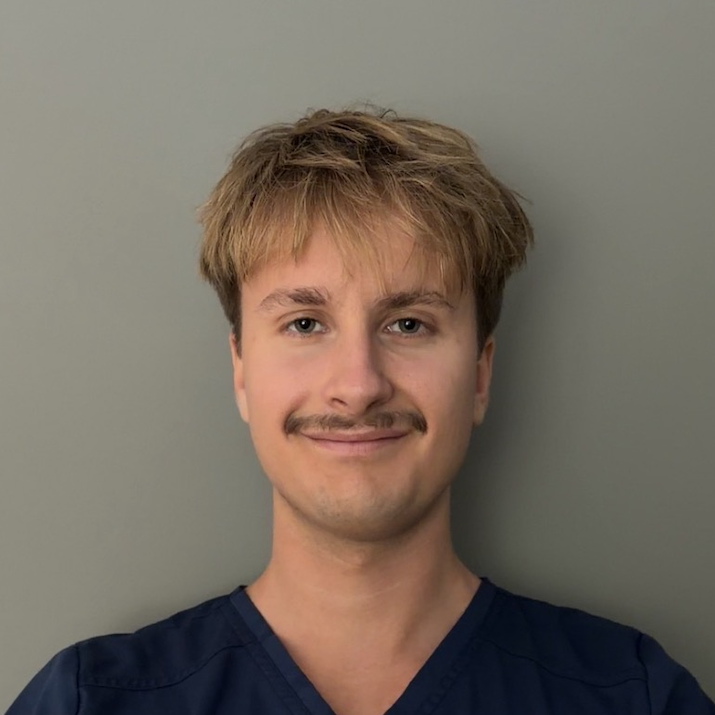
Author: Marius Knudsen, physiotherapist at Dr.Dropin Carl Berner and Dr.Dropin Grünerløkka. Marius has specialised in musculoskeletal conditions and sports physiotherapy and has completed courses in dry needling. Read more on his profile page.