Headaches and multi professional treatment
In Dr. Dropin, we are very focused on interdisciplinary collaboration and ensuring that you as a patient receive the best care for your condition. Therefore, we have assembled a team of headache specialists, chiropractors, and physiotherapists to help you get rid of, or at least reduce, your headaches, as well as to assist you in managing them if they occur.
See availability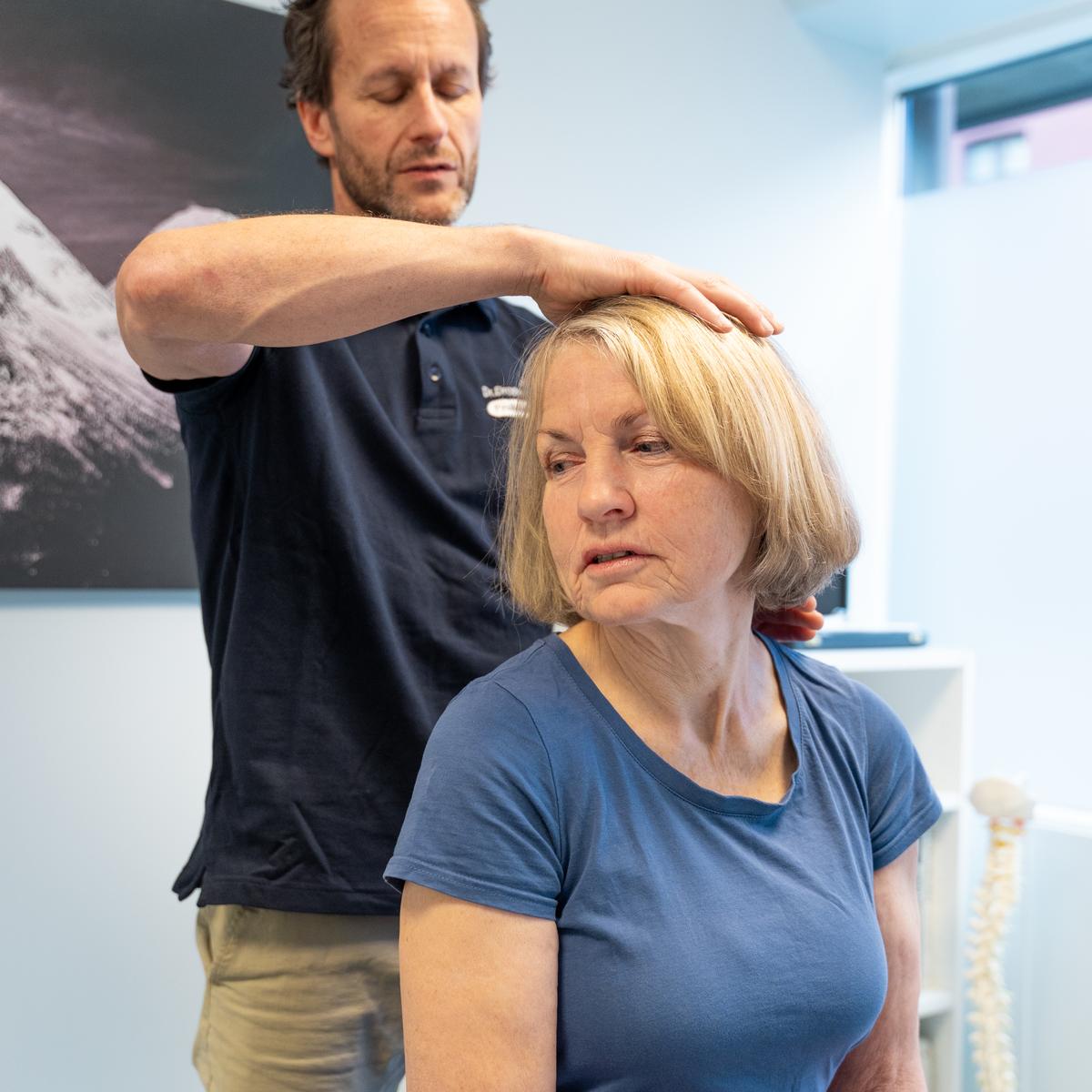
Different headaches
The condition of headaches is a sort of umbrella term for many different causes of head pain. Research has shown that the more a patient understands their own condition, the better they tend to fare. Therefore, we will here go through some relevant information about headaches and neck problems. Our physical therapists work with three types of headaches: tension headaches, neck headaches, and jaw-related headaches. Additionally, our therapists treat patients who also suffer from migraines. Neck pain is a known triggering factor for migraines. Tension headaches, neck headaches, and jaw-related headaches are often related to the musculoskeletal system. This means that many of those suffering from these types of headaches have muscle or joint issues that the therapist can detect, press on, and reproduce the headache.

How does our therapists treat headaches?
There's often a lot of muscle tension that can end up causing headaches. If the therapist can identify a structure (muscle/joint/tendon) that, when pressed, temporarily reproduces the headache you typically experience, there's a good chance we can help you. Other factors that increase the likelihood that your symptoms stem from the musculoskeletal system include the headache occurring only in a certain position or during a specific activity, and it subsiding when that position or activity ceases. Another good indicator for physical treatment is if your headache only occurs when your neck problems are severe.
During your initial consultation with our physical therapists, a thorough medical history is taken first. Then, a systematic examination is conducted, including attempts to reproduce the headache. If both the medical history and examination suggest that your headache is related to musculoskeletal issues, treatment can begin.
If during the initial examination we cannot confirm that your headache stems from musculoskeletal issues, you will be referred back to your doctor with a report (epicrisis) detailing what was examined and indicating that we may not be able to help. This can also be useful as it can aid your doctor in the investigation of your symptoms.
If your symptoms are indeed musculoskeletal in nature, we expect over 65% improvement within 1-3 treatments, and our therapists continuously reassess your diagnosis and symptoms. If we observe a lack of improvement or other findings inconsistent with musculoskeletal-related headaches, we consult a doctor and may refer you further.

Migraines
In addition to the three types of headaches mentioned above, our therapists also work with patients who suffer from migraines. Migraine is a complex neurological condition where patients can experience moderate to severe pain, as well as neurological symptoms.
This doesn't mean we treat the migraine itself, but neck pain and stiffness can contribute to triggering or what we call "triggers" of migraines. Migraine is a complex condition where the brain reacts to triggers with an attack of pain and often neurological symptoms. These pains can be very severe and highly limiting in daily life. Known triggers such as stress, lack of sleep/food, and neck problems, etc., can be simplified to filling up a bucket. When the bucket is full, the migraine strikes. Once the migraine begins, medication often has a very good effect, especially if taken in the phase before the headaches start. Consult one of our headache specialists if you suffer from migraines. They have specialized knowledge about which medications may be suitable for you.
Research has shown that among those who have migraines, 70-77% of them also experience neck pain. It's as much as 12 times more likely that you have neck pain if you suffer from migraines than if you don't have headaches regularly. It's likely that neck pain is a symptom of migraines. However, it seems that treating these pains can help alleviate the symptoms. This likely occurs through complex neurological mechanisms in the top of the neck.
Migraines - Phases
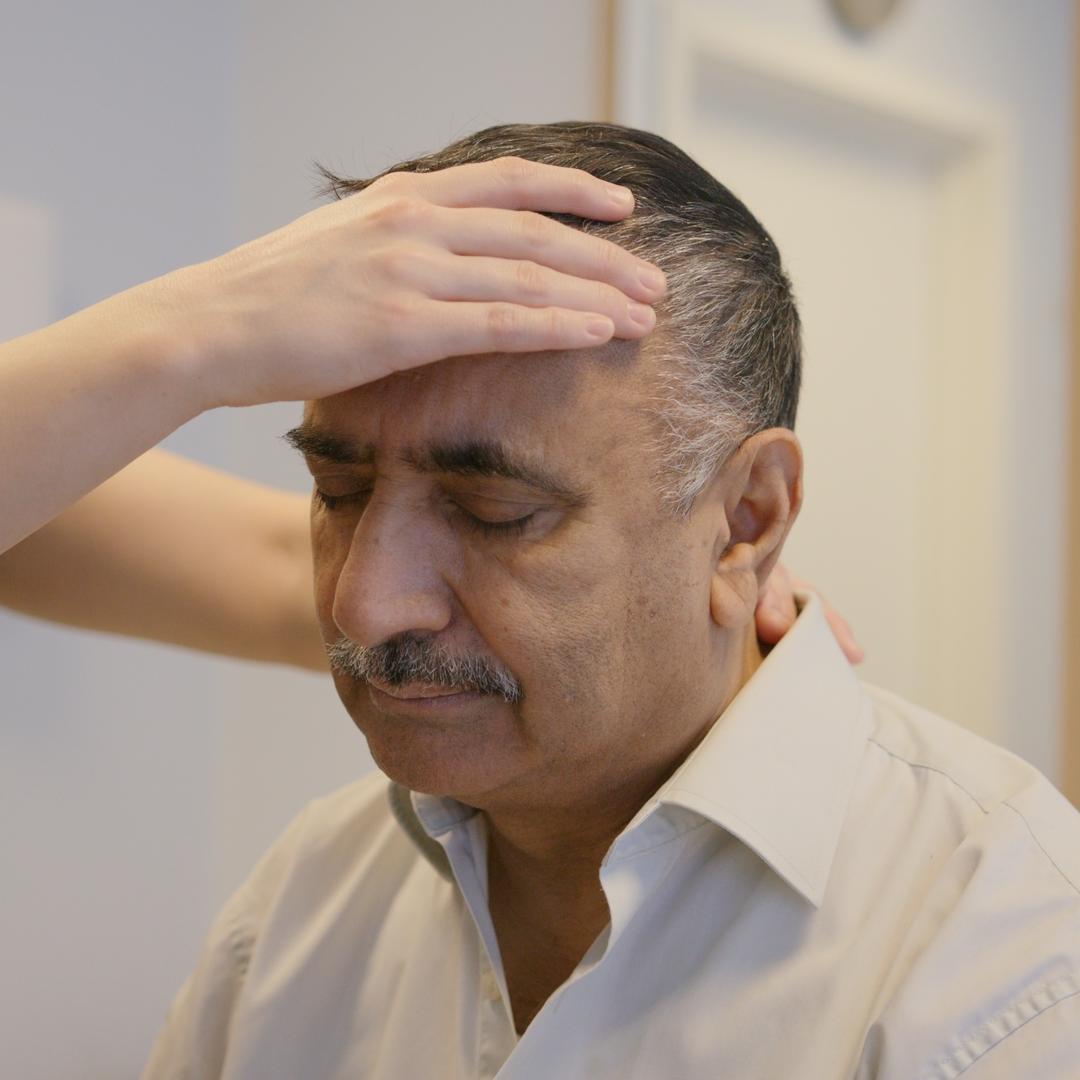
Migraine is divided into four phases, with the migraine/headache itself being the second to last phase. Before this, there is something called the "prodrome," and approximately 60% of all migraine sufferers experience neck pain during this phase. Many also report feeling down, irritable, tired, frequent urination, stomach problems, light/noise sensitivity, and difficulties concentrating during this phase. The prodrome phase lasts from a few hours to two days before the headache phase of the migraine. In this phase, many recognize that a migraine is imminent. It's like a warning sign. By eliminating triggers in the prodrome phase, many find that it calms down and the migraine doesn't occur. Some also benefit greatly from taking migraine medication during this phase.
The next phase is the "aura" phase, during which about 1/3 of people with migraines may experience visual disturbances or other neurological symptoms. This phase usually lasts under 60 minutes.
In the actual migraine phase, according to research, most individuals (77%) experience some neck pain along with the headache. It's also common to have sensitivity to smell/light/sound, nausea, vomiting, feeling down, anxiety, and sleep disturbances.
In the final phase called the "postdrome," approximately 40% experience neck pain. Most feel a discharge and a sense of tiredness, but they may also experience body aches, dizziness, and difficulties concentrating.
Headache diary
A very important and beneficial tool for both headaches and migraines is a headache diary. This is initiated based on how much you are bothered (see here - we have it on the doctor's side). This is one of the most important tools one can use to track headaches. The headache diary is recorded in an app. Not everyone needs to do this, but if the symptoms are chronic or recurring, a headache diary is very useful. Patients are often surprised by how much headache they actually have after a few weeks with a headache diary. This is also a very good tool to assess whether the treatment has helped, either medically, physically, or in combination. Especially migraine patients can benefit greatly from a headache diary as it can be difficult to recognize the "prodrome" phase mentioned earlier, as it often has diffuse symptoms. By becoming more familiar with your migraines, you can also avoid triggering them. Either by removing triggers or by medicating at an early stage. If medication is taken early, often just simple anti-inflammatory drugs with few side effects may be enough to avoid the migraine.
Headache diary
If you have experienced or are experiencing the following symptoms, it is beneficial for you to seek medical attention before consulting our physical therapy department:
New onset headache if you are over 50 years old (a headache you have never had before).
Very severe headache that suddenly appeared and that you have never experienced before; the worst headache you have ever had ("Thunderclap").
Unusual and unexplained symptoms. For example, half of your face drooping, difficulty formulating words, inability to lift arms, or loss of vision field.
Coordination difficulties, stumbling, or dropping objects.
Headache that has occurred after trauma in the last 2 weeks, especially if it has gradually worsened.
Severe headache associated with fever, especially with a very stiff neck.
About chiropractors
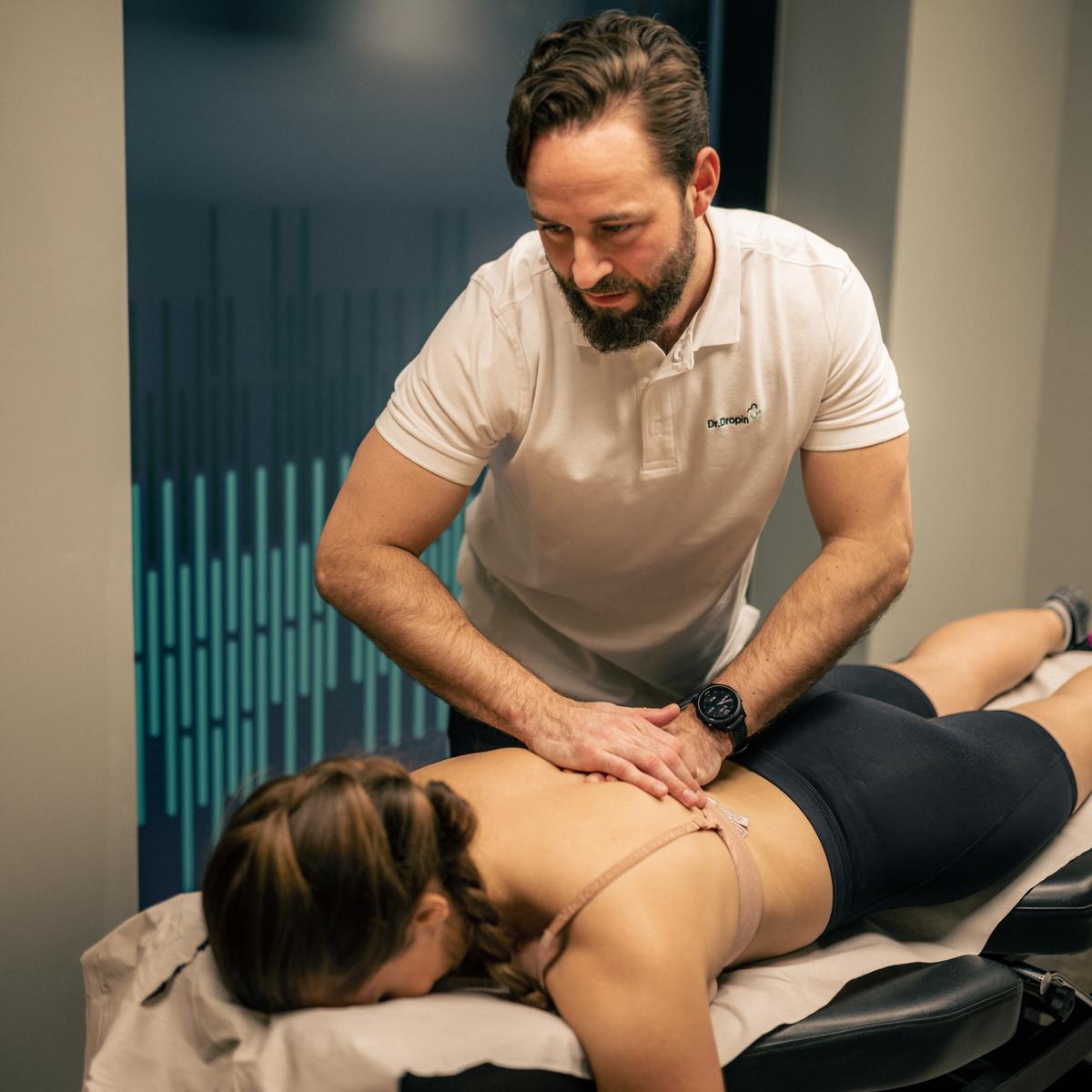
Chiropractors are authorized healthcare professionals. They usually have a master's degree and have the ability to refer for imaging studies, refer to specialists, and issue sick leave for up to 12 weeks. They diagnose, treat, and prevent musculoskeletal disorders. These problems can be located anywhere in the body, but chiropractors most often treat the neck, back, and pelvis. Pain can occur acutely or develop gradually as an overuse injury. The problems can affect joints as well as muscles.
Meet our therapists
Our physical team consists of skilled and committed therapists. We have solid expertise, clinical experience and Norwegian authorization, so you can trust that you get the help you need. You do not need a referral to book an appointment with us.
We know that the right competence and good chemistry are important. Below you can therefore get to know our therapists better.

Lovisa Klingenberg
Chiropractor, Økern
General Chiropractic | Acute and prolonged dizziness | Prolonged pain | Diagnostic ultrasound

Wictor Borgström
Physiotherapist, Sandvika
General Physiotherapy | Rehabilitation | Acute and prolonged dizziness

Hildegunn Lilja Solsvik
Physiotherapist, Majorstuen
General physiotherapy | Psychomotor physiotherapy | Acute and long-term dizziness | Vestibular disorders | Tinnitus | Meniere's disease

Jorunn Hustoft Fiane
Chiropractor, Kristiansand
General Chiropractic Care | Headache | Dizziness | Diagnostic Ultrasound | Jaw | Hip | Knee | Ankle | Foot | Neck | Back
Nikolai Nyenget
Chiropractor, Trondheim city center
General Chiropractic | Sports injuries | Shock wave treatment | Foot analysis and sole fitting | Plantar fasciitis | Headache | Dizziness