Ultrasound examination of the back
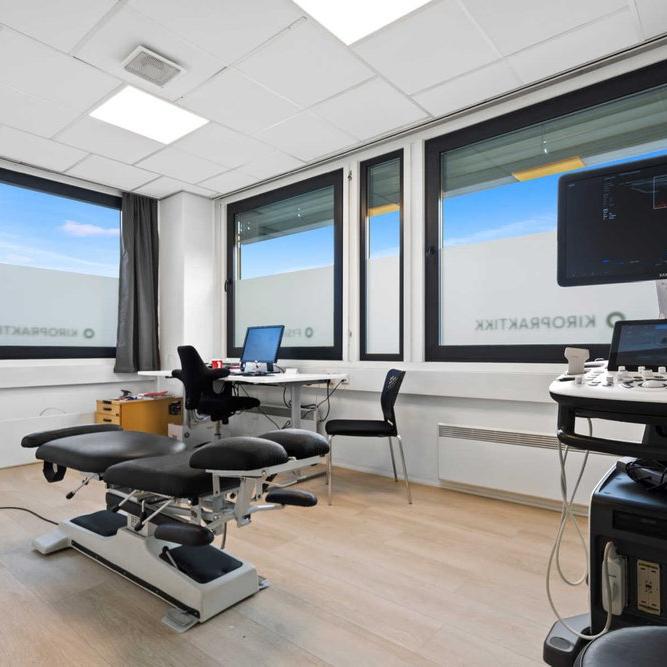
Ultrasound examination of the back is effective because it provides fast, safe, and detailed assessment of superficial structures such as muscles, tendon attachments, facet joints, and connective tissue—completely radiation-free. It is especially useful for detecting muscle or tendon injuries, inflammatory conditions, trigger points, or pain related to facet joints. It can also be performed dynamically, during movement, to identify functional issues that MRI may miss. Additionally, it is ideal for guiding precise injections into painful or inflamed areas.
See availabilityPlease do not hesitate to call us on 24 07 70 13.

Read what our clients say about our services

Advantages of diagnostic ultrasound
- Gentle and completely radiation-free
- Quick and real-time assessment of injuries
- Can evaluate tissues both at rest and in motion
- Excellent visualization of tendons, ligaments, bursae, and musclesImmediate results for faster diagnosis
- Affordable and widely accessible
- Can guide injections with high precision
Possible injuries that can be spotted by ultrasound
- Muscle strain, rupture, or scar tissue in back muscles (e.g., erector spinae, quadratus lumborum)
- Myofascial trigger points with referred pain
- Enthesopathy (tendon attachment inflammation) in spinal musculature
- Facet joint irritation (may be indirectly visualized via fluid or thickening)
- Bursitis near the lower back or gluteal region
- Fluid collections or hematomas after injury or surgery
- Nerve irritation (e.g., muscular compression of nerves)
- Soft tissue cysts, lipomas, or other superficial masses
- Postoperative evaluation of tissue (scar formation, fluid, inflammation)
- Pelvic-related pain originating from muscles near the lower back
Use your health insurance
We cooperate with all the major insurance companies, so that you can use your health insurance with us.
Read more about how to use your health insurance here