Ultrasound examination of pelvis
Pelvic ultrasound is effective because it provides fast, gentle, and affordable assessment of muscles, tendons, joints, and soft tissues in the pelvic region—without radiation. It is particularly useful for identifying tendinopathies, bursitis, muscle tears, pubic symphysis issues, and fluid collections. The examination can be dynamic (performed during movement), offering valuable insight into load-related symptoms. It can also guide injections with high precision and delivers immediate results that support direct clinical decision-making.
See availabilityPlease do not hesitate to call us on 24 07 70 13.
Read what our clients say about our services

Advantages of diagnostic ultrasound
- Gentle and completely radiation-free
- Quick and real-time assessment of injuries
- Can evaluate tissues both at rest and in motion
- Excellent visualization of tendons, ligaments, bursae, and musclesImmediate results for faster diagnosis
- Affordable and widely accessible
- Can guide injections with high precision
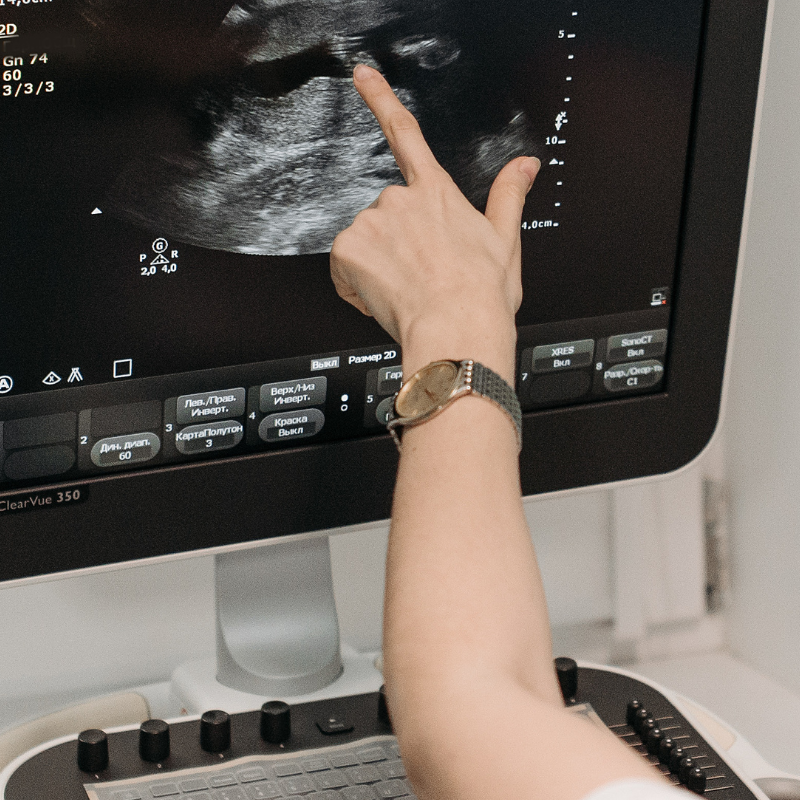
Possible injuries that can be spotted by ultrasound
- Tendinopathy in gluteal muscles (gluteus medius/minimus)
- Bursitis, especially over the trochanter or ischial tuberosity
- Groin injuries and adductor tendinopathy
- Pubic symphysis pain (e.g., sports-related pubalgia)
- Muscle injuries (strain, rupture, or hematoma in pelvic muscles)
- Fluid accumulation (effusion) or inflammation in joints or bursae
- Calcific tendinitis (calcium deposits in tendons)
- Snapping hip syndrome (visible and audible tendon movement over bone)
- Pelvic instability or scar tissue after surgery/childbirth
- Nerve irritation or entrapment (e.g., pudendal nerve)
- Soft tissue tumors or cysts
Use your health insurance
We cooperate with all the major insurance companies, so that you can use your health insurance with us.
Read more about how to use your health insurance here