Varicose veins: Causes and prevention
Varicose veins (varices) are enlarged, twisting blood vessels that usually appear on the calves and thighs. They are very common and affect a large share of the adult population at some point in life.
Book appointment
What are varicose veins?
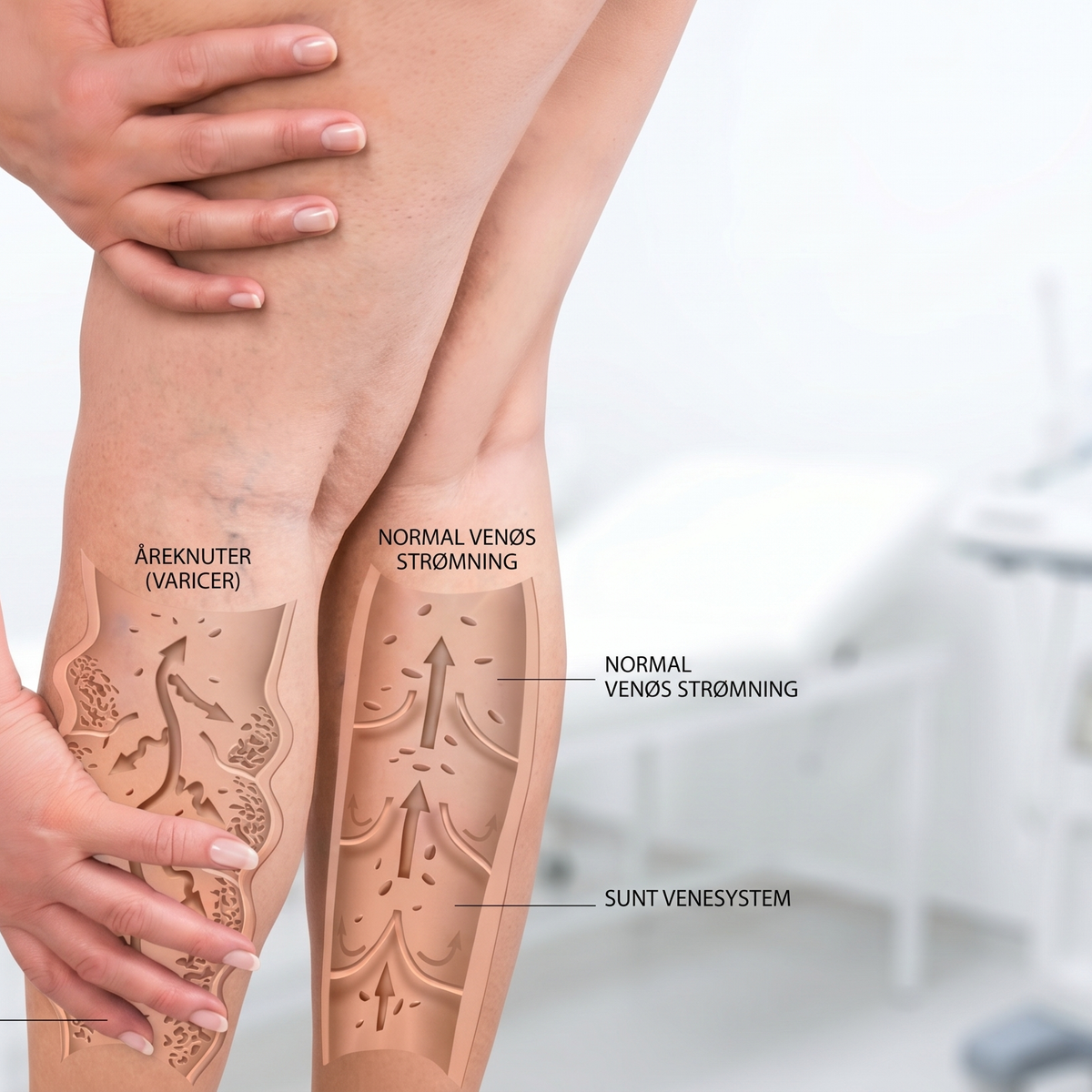
Varicose veins occur when the valves in the superficial veins weaken or stop working properly. Normally these valves keep blood flowing upward toward the heart. When the valves leak, blood pools in the vein, which then widens and becomes visible and twisted beneath the skin.
Common symptoms include a feeling of heaviness, aching, swollen calves, itching, and visible blue-purple veins. Symptoms often worsen throughout the day, especially after long periods of standing or sitting still at work.
What causes varicose veins?
Several factors increase the risk of developing varicose veins:
- Genetics: Varicose veins are strongly hereditary. If your parents had them, your chances of developing them are higher.
- Age: Vein walls and valves naturally weaken over time.
- Sex: Women are affected more often than men, partly due to hormonal fluctuations.
- Pregnancy: Increased blood volume and pressure from the uterus on the pelvic veins contributes to varicose veins during pregnancy.
- Prolonged standing or sitting at work: Reduces blood circulation in the legs and increases pressure in the veins.
- Excess weight: Puts extra pressure on the veins in the lower body.
- Previous blood clots or leg injury: Can weaken the venous system locally.
How to prevent varicose veins
You can't remove genetics and age as risk factors, but several simple measures can reduce your risk of developing varicose veins, or slow down worsening of symptoms you already have:
- Stay regularly active. Walking, cycling and swimming activate the calf muscles, which act as a pump and help push blood back toward the heart.
- Avoid prolonged standing or sitting at work. Take short breaks to walk around, stretch your legs, or change position often during the day.
- Elevate your legs when resting. Raising your legs above heart level for a few minutes several times a day relieves the veins and reduces swelling.
- Use compression stockings when needed. Compression stockings apply even pressure to the calf and support the veins' valve function, especially useful with lots of sitting/standing work or during pregnancy.
- Maintain a healthy weight. This reduces the overall pressure on the venous system in the legs.
- Avoid tight clothing around the waist, thighs and pelvis. This can restrict blood flow back from the legs.
- Choose low heels over high heels for a lot of walking. Low heels make better use of the calf muscles than high heels.
When should you see a doctor?
Most varicose veins are harmless, but can cause ongoing discomfort. You should see a doctor if you experience severe pain, swelling, skin changes, sores that don't heal, bleeding from a varicose vein, or signs of a blood clot (sudden swelling, redness and warmth in the calf).
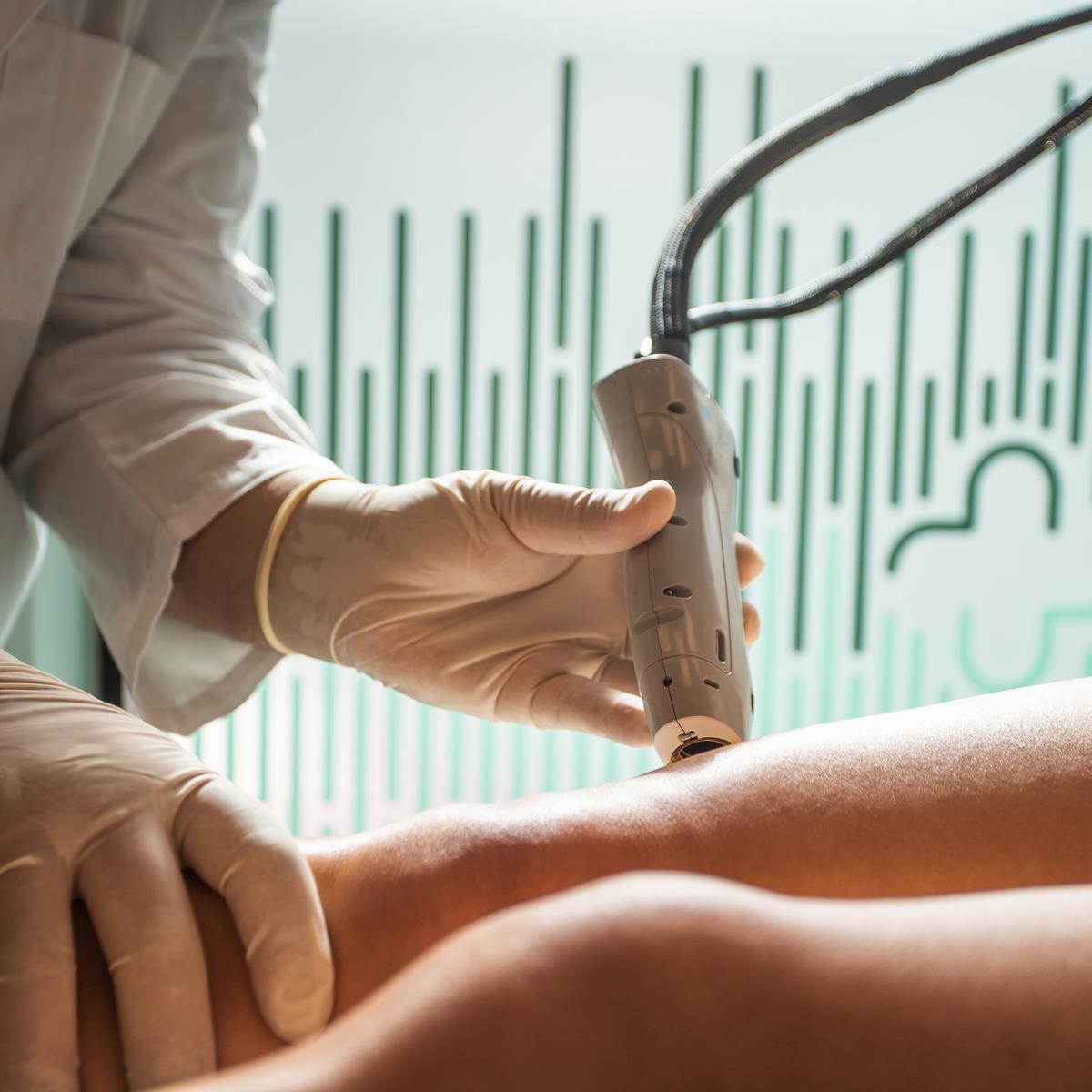
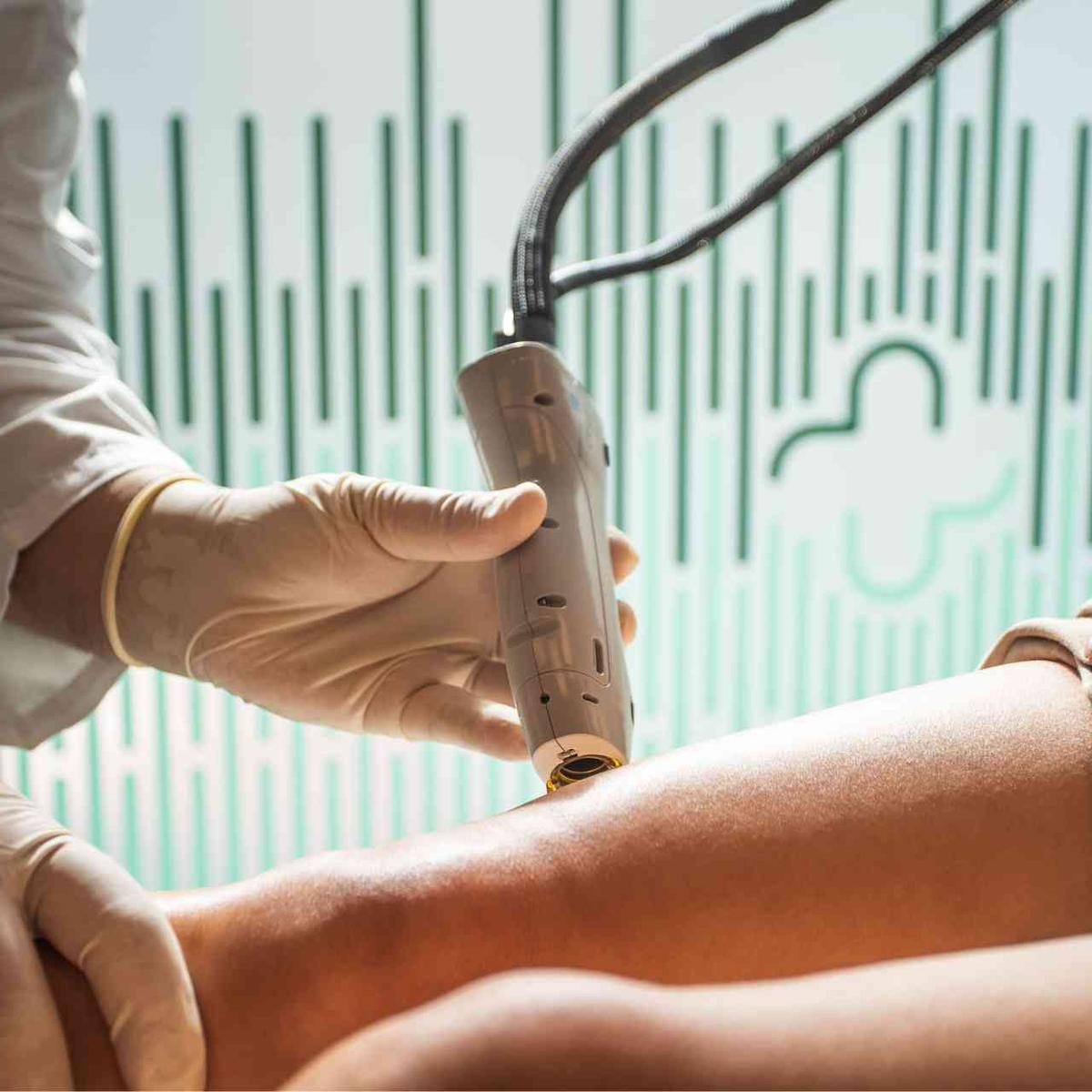
If preventive measures aren't enough, there are good treatment options available, ranging from compression therapy to minimally invasive procedures.
Book an appointment with us