Osteopathy and joint manipulation: what does the research say?
Osteopathy is a manual form of treatment for problems in muscles and the skeleton, and osteopath is a protected title that requires authorisation from the Norwegian Directorate of Health [1]. Reviews of studies point to small to moderate effects of joint manipulation and osteopathic treatment for low back pain, and to an effect similar to that of other recommended measures [2][3][4]. For other conditions the evidence is weaker [4].
See availabilityWhat is osteopathy?
Osteopaths treat problems in muscles and the skeleton. They also look at how body, mind and life situation affect health. The treatment is adapted to each patient, and the osteopath explains possible causes of the problems and shows exercises the patient can do on their own [1].
Osteopaths use a range of manual techniques, from gentle to more forceful. Examples are muscle stretching, lighter techniques for muscles and joints, and joint manipulation [5].
Education and authorisation
In Norway, a bachelor's degree in osteopathy is offered at Kristiania University College, followed by one year of further education. In total the education takes four years, and a completed education forms the basis for applying for authorisation [1].
Osteopath is a protected title that requires authorisation from the Norwegian Directorate of Health. From 2022, osteopaths must follow the Health Personnel Act and the rules on professional conduct and record keeping, in the same way as other healthcare personnel [1].
What happens at an appointment with the osteopath?
The appointment starts with a conversation about your history and your problems. The osteopath then examines the musculoskeletal system and assesses whether you need other treatment or further investigation [1][5].
The treatment is adapted to the individual. It can consist of manual techniques, exercises and advice, and you can follow up some of the exercises at home [1][5].
What is joint manipulation?
Joint manipulation is sometimes called joint adjustment, and in everyday speech often cracking. Our osteopathy page describes it as one of several manual techniques [5]. In research the technique is often called spinal manipulative therapy when it is used in the back [2].
What does the research say about low back pain?
A review from 2019 gathered 47 studies with a total of 9,211 adults with long-lasting low back pain. Joint manipulation had about the same effect on pain as other recommended measures, for example exercise. Compared with measures that are not recommended, and with a control treatment without real manipulation, the differences were small [2].
A review from 2014 covered 15 studies of osteopathic manual treatment for non-specific low back pain. The authors found a clinically relevant reduction in pain and improved function about three months after treatment. At the same time the results differed from study to study, many studies were small, and none followed the patients for longer than three months [3].
The Norwegian knowledge summary from 2005 concluded that there is some documentation for osteopathy in low back pain, especially in the acute and subacute phase. For other diagnoses good studies were lacking at the time, and the effect was unknown [4]. Manual techniques can be a useful addition to movement and exercise in subacute or long-lasting problems [4].
What do we know about side effects?
About half of the studies in the 2019 review reported side effects, and the reporting was often unclear. Most were mild to moderate complaints in muscles and the skeleton that passed [2]. Serious side effects were reported in two studies, and the authors recommend that practitioners inform patients about possible side effects [2].
The Norwegian knowledge summary states that serious injuries are rare, but that the evidence on side effects is weak [4].
When can it be relevant to book an appointment with us?
If you have problems in the back, neck or joints, an osteopath or physiotherapist can examine you and plan treatment and home exercises together with you. You can read more about osteopathy at Dr.Dropin and about physiotherapy. If you have persistent low back pain, you will find more on the page about low back pain.
See availabilityFrequently asked questions about osteopathy and joint manipulation
What is the difference between an osteopath and a physiotherapist?
Both are authorised healthcare personnel. The osteopathy education takes four years and is directed at musculoskeletal problems [1]. Physiotherapy is a separate education.
Is it dangerous to have your back cracked?
Most side effects in the studies were mild and passed, but serious side effects have been reported in a few studies [2]. Talk to your practitioner about possible side effects before treatment.
Does osteopathy help with back pain?
Studies point to small to moderate effects in non-specific low back pain, but results vary and many studies are small [2][3][4]. What suits you depends on your condition.
Do I need a referral to see an osteopath?
No, you can book directly without a referral from a doctor.
Read more
You can read about cranial osteopathy and what the research says. You can find more articles in the overview of articles.
Sources
This article was written by Dr.Dropin Fysikalske and is based on the sources listed below. It gives general information and does not replace an examination by a healthcare professional.
The websites were accessed and read on 22 October 2026.
1. Osteopat (Osteopath). utdanning.no. Reviewed in cooperation with the Norwegian Osteopathic Association 27 January 2025. Link
2. Rubinstein SM, de Zoete A, van Middelkoop M, Assendelft WJJ, de Boer MR, van Tulder MW. Benefits and harms of spinal manipulative therapy for the treatment of chronic low back pain: systematic review and meta-analysis of randomised controlled trials. BMJ. 2019;364:l689. doi:10.1136/bmj.l689. Link
3. Franke H, Franke J-D, Fryer G. Osteopathic manipulative treatment for nonspecific low back pain: a systematic review and meta-analysis. BMC Musculoskelet Disord. 2014;15:286. doi:10.1186/1471-2474-15-286. Link
4. Reinar LM, Håheim LL, Ormstad S, Nordheim L, Bjørndal A. Kunnskapsoppsummering om manuelle behandlingsformer (Knowledge summary on manual treatment methods). Norwegian Knowledge Centre for the Health Services (now the Norwegian Institute of Public Health). 2005, page last changed 2014. Link
5. Hva gjør en osteopat? (What does an osteopath do?) Dr.Dropin Fysikalske. Link
About the author
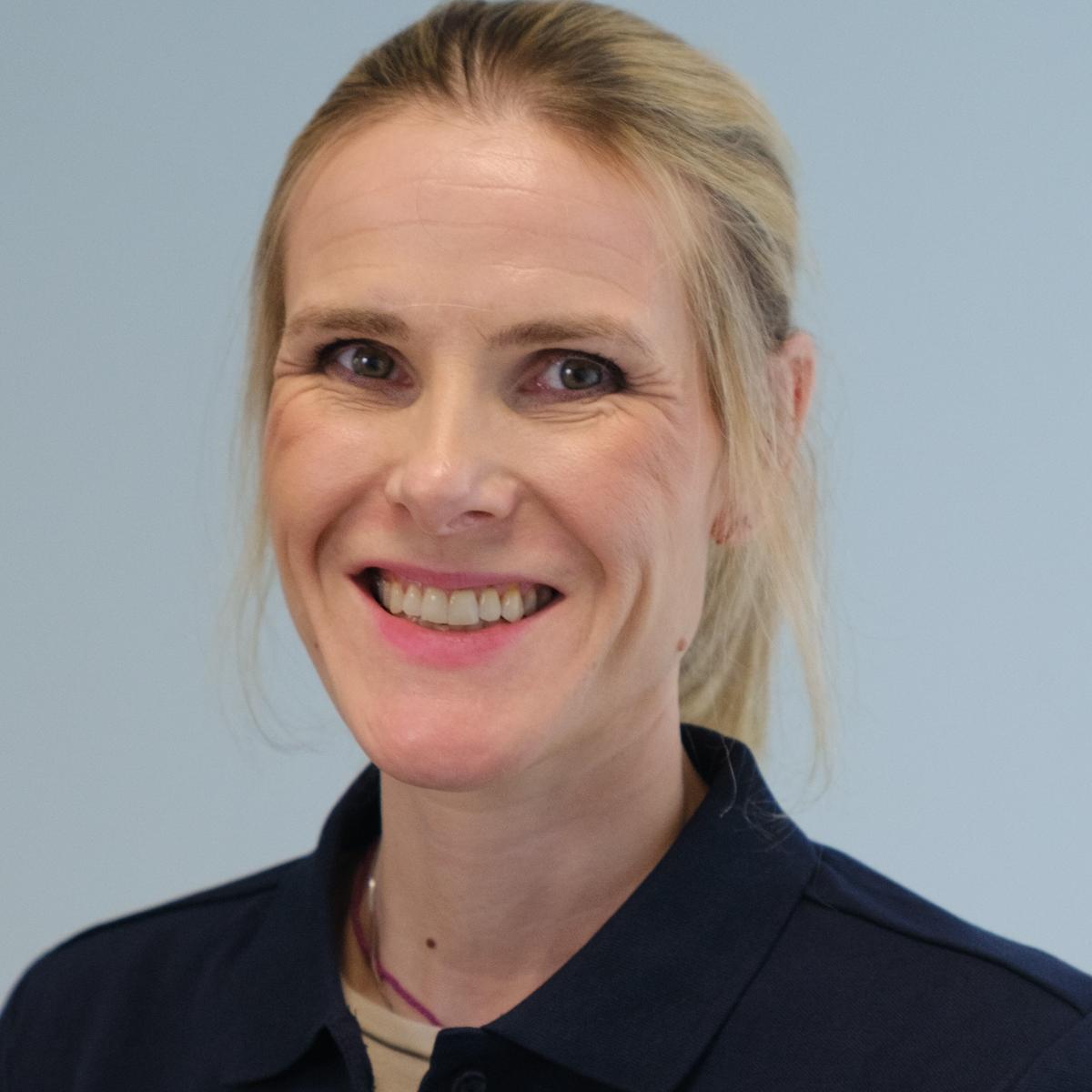
Author: Bente Hauge, physiotherapist and osteopath at Dr.Dropin Grünerløkka. Bente holds a Pediatric Osteopathic Certificate from Sutherland Cranial College and uses, among other things, joint manipulation, mobilisation techniques and soft tissue treatment. Read more on her profile page.