Psychomotor physiotherapy for long-lasting pain: what it is and what the research says
Psychomotor physiotherapy is based on the link between muscle tension, breathing and emotions [1]. It is mainly used for long-lasting musculoskeletal pain [4]. The method was developed by physiotherapist Aadel Bulow Hansen and psychiatrist Trygve Braatøy [1]. The research is limited, and a scoping review from 2022 concludes that more research is needed [4].
See availabilityWhat is psychomotor physiotherapy?
NHI describes psychomotor physiotherapy as a form of treatment based on the link between muscle tension, breathing and emotions. The method is today called Norwegian Psychomotor Physiotherapy. It is not aimed at a single symptom but looks at the body as a whole, and much of the focus is on breathing. The method is described as help towards self-help [1].
A scoping review from 2022 describes the approach as established and mainly used for long-lasting musculoskeletal pain [4].
Who can it be relevant for?
NHI writes that patients have different starting points and problems and therefore benefit differently. After the examination, the physiotherapist assesses whether the patient may benefit from the method and is motivated for it. It requires working actively with oneself over time, and that circumstances around the person support change. Problems mentioned are headache, dizziness, muscle pain, fatigue and stomach and bowel problems [1].
In the research, the patients who are referred are mostly women, around 80 percent, with a mean age of 42 years. About two thirds had mixed symptoms, mainly depression, anxiety and musculoskeletal pain [4]. None of the studies in the review included children and young people [4].
What happens at an appointment?
The examination covers history, posture including mobility and balance, breathing, functional examinations and movements, and body awareness and body contact [1].
The treatment can include awareness of physical and emotional connections, adapted movements and exercises, massage and conversation. Group movements with emphasis on free movements are also used [1]. An appointment can last up to an hour. A common start is once a week, and the intervals usually become longer over time [1].
Education and requirements for the therapist
Psychomotor physiotherapy is a specialisation for physiotherapists. At OsloMet the master's programme in health sciences with specialisation in psychomotor physiotherapy is 120 credits and takes three years part-time. Admission requires a bachelor's degree in physiotherapy and Norwegian authorisation as a physiotherapist. The programme includes supervised practice with at least 200 patient treatments and 72 hours of group supervision [2].
The Norwegian Directorate of Health sets its own requirements for using the public fee code for psychomotor physiotherapy. The physiotherapist must, among other things, have a clinical master's degree of 120 credits or equivalent, in addition to 20 hours of personal therapy, or another approved educational route [3].
What does the research say?
The scoping review from 2022 analysed 93 articles published between 1975 and 2021. Most were quantitative and concerned developing and standardising the body examination. Only five studies examined treatment outcomes, and three of them were randomised trials [4].
The outcome studies suggest that the method may reduce symptoms such as depression, anxiety, sleep problems and fatigue, and may improve quality of life. In a randomised trial of individual treatment, patients improved in pain and physical function, but the comparison group, which received patient education and active physiotherapy, had somewhat greater improvement on some measures at six and twelve months [4].
The authors emphasise that the review maps the field and does not establish effectiveness, and that more research is needed [4].
Cooperation with your doctor and shared goals
NHI describes that the physiotherapist, patient and doctor cooperate, and that patient and physiotherapist make a shared goal. The doctor can ask for written feedback [1]. Psychomotor physiotherapy therefore comes as a supplement to the follow-up you already have.
When can it be relevant to book an appointment with us?
If you have long-lasting pain or physical problems and want to know whether psychomotor physiotherapy may be suitable, a physiotherapist can go through your history and examine you. You can read more about psychomotor physiotherapy at Dr.Dropin and about physiotherapy. You do not need a referral to book an appointment with us.
See availabilityFrequently asked questions about psychomotor physiotherapy
What is psychomotor physiotherapy?
A form of treatment based on the link between muscle tension, breathing and emotions. It looks at the body as a whole and is described as help towards self-help [1].
How long does an appointment take?
An appointment can last up to an hour. A common start is once a week, and the intervals usually become longer over time [1].
What does the research say about psychomotor physiotherapy?
The research is limited. A scoping review from 2022 found few outcome studies and concludes that more research is needed [4].
What education does a psychomotor physiotherapist have?
It is a specialisation for physiotherapists, for example a master's degree in health sciences of 120 credits with specialisation in psychomotor physiotherapy [2].
Read more
You can find more articles in the overview of articles. The page about psychomotor physiotherapy describes how the field is used at our clinics.
Sources
This article was written by Dr.Dropin Fysikalske and is based on the sources listed below. It gives general information and does not replace an examination by a healthcare professional.
The websites were accessed and read on 22 October 2026.
1. Psykomotorisk fysioterapi (Psychomotor physiotherapy). NHI.no. Last updated 28 April 2023. Link
2. Psykomotorisk fysioterapi, master i helsevitenskap (Psychomotor physiotherapy, master's in health sciences). OsloMet. No publication date given. Link
3. Takst A9a (Fee code A9a). Norwegian Directorate of Health, circular on the National Insurance Act section 5-8 Physiotherapy. Last professional change 9 October 2026. Link
4. Dragesund T, Øien AM. Norwegian Psychomotor Physiotherapy: A scoping review. Fysioterapeuten (peer-reviewed). Published 14 December 2022. Link
About the author
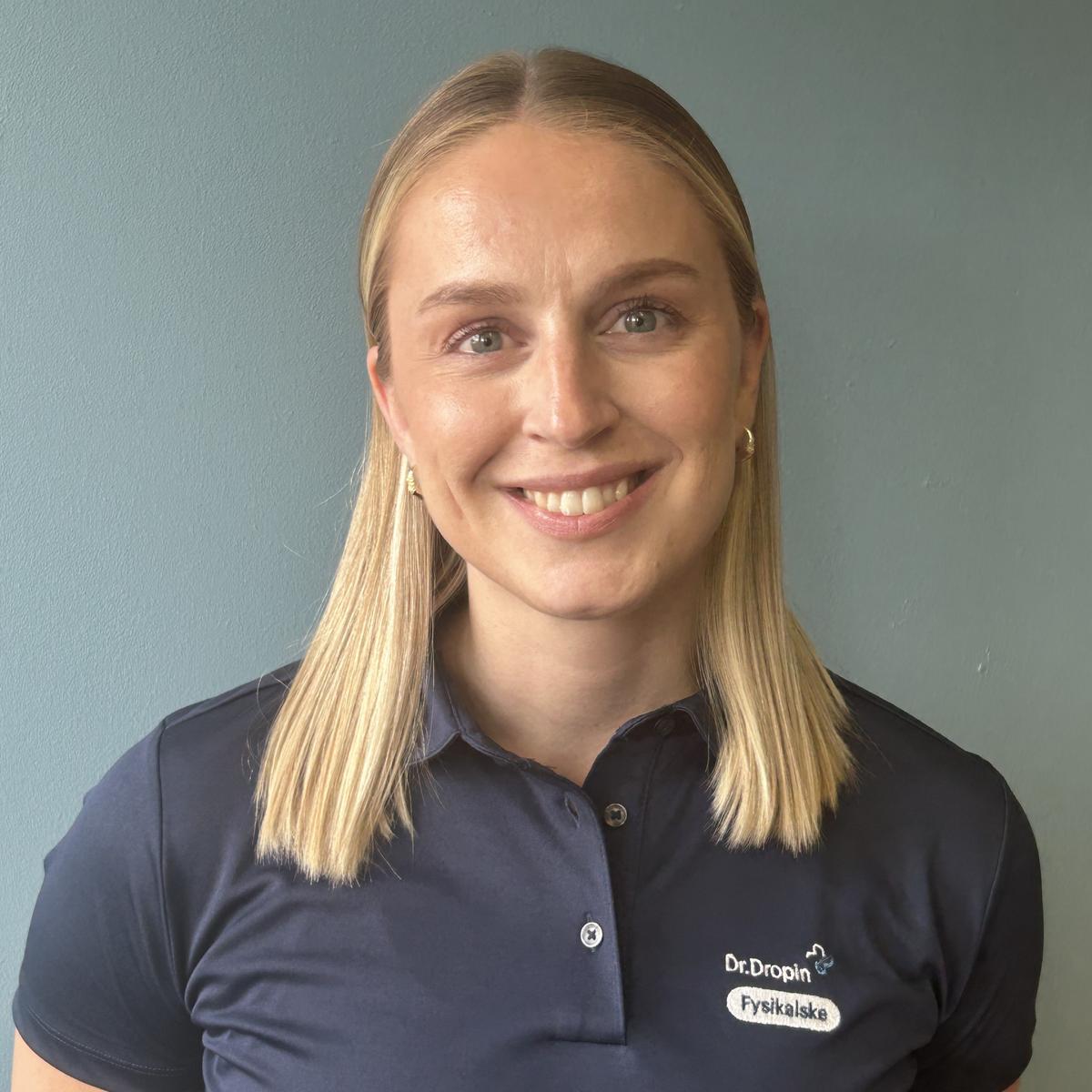
Author: Maren Kjølstad, physiotherapist at Dr.Dropin Sandvika Stasjon. Maren has several years of experience with musculoskeletal disorders, including from specialist health services, offers psychomotor physiotherapy and is pursuing further education in the field. Read more on her profile page.