Psychomotor physiotherapy: what does a session involve?
Psychomotor physiotherapy is a form of treatment that emphasises breathing and body awareness, and the connection between muscle tension and emotions [1]. Sessions usually last up to one hour. The first session consists of a conversation and a physical examination, after which the physiotherapist and patient agree on a shared goal [1]. Research in the field is limited, and the authors of a recent review point to a need for more research [2].
See availabilityWhat is psychomotor physiotherapy?
Psychomotor physiotherapy was developed by the physiotherapist Aadel Bülow-Hansen and the psychiatrist Trygve Braatøy, and is today referred to as Norwegian psychomotor physiotherapy [1][4]. The method is based on the idea that muscle tension, breathing and emotions are connected [1][2].
It is not aimed at a single symptom. The body is seen as a whole, and breathing has a large place in the treatment [1].
Who may it be relevant for?
NHI describes how traumatic events, illness or long-term strain can lead to increased bodily tension. Over time this can give symptoms such as headache, dizziness, muscle pain, tiredness and stomach and bowel complaints [1].
In research, it is mainly people with long-lasting musculoskeletal pain who have been studied, often with concurrent anxiety or depression [2]. Patients have different starting points, and after the examination the physiotherapist assesses whether you may benefit from the treatment and are motivated for it [1].
What happens in the examination?
The physiotherapist starts with your medical history. Then he or she looks at posture, mobility and balance, at breathing, and at body awareness and body contact. Various functional and movement tests are also carried out [1].
The physical examination is a distinct part of the method, and much of the research has been about developing and standardising it [2].
What does the treatment consist of?
NHI mentions these elements in the treatment:
- awareness of connections between body and emotions
- adapted movements and exercises
- massage
- conversation
- group movement with emphasis on looseness and free movement [1]
A review of the research describes the same main features: body examination, breathing, movement, muscle tension, body contact and body awareness [2]. The treatment can be given individually or in a group [2][3].
How often and for how long?
Sessions are usually once a week and last up to one hour. Over time the intervals often become longer [1].
The treatment is described as help towards self-help. This means you have to work actively with yourself over time, and NHI emphasises that the method requires time, patience and personal effort [1].
What does the research say?
A review of Norwegian psychomotor physiotherapy found 93 peer-reviewed articles. Most were about the body examination or patients' and physiotherapists' experiences, and only five studies measured effect, three of them randomised [2].
Some studies suggest the treatment may reduce complaints such as anxiety, depression, sleep problems and tiredness, but the review did not systematically assess the quality of the studies, and the authors describe the literature as limited [2]. One randomised study comparing individual treatment with another approach found somewhat greater improvement in the other group on some measures [2].
Who provides the treatment, and when should you contact a doctor?
Psychomotor physiotherapists are authorised physiotherapists with further education. At OsloMet the further education is a three-year part-time master's programme, and Norwegian authorisation as a physiotherapist is an admission requirement [3].
NHI emphasises that cooperation between physiotherapist, patient and doctor is important [1]. According to an article in Tidsskriftet, more complex medical histories should be followed up by a doctor [4]. If you are unsure about the cause of your complaints, you can also have them assessed by a doctor.
When can it be relevant to book an appointment with us?
If you have long-lasting muscle pain, tension or complaints related to stress, a psychomotor physiotherapist can examine you and assess whether the treatment is suitable. On the page about psychomotor physiotherapy you can find clinics and therapists. You can also read more about physiotherapy in general.
See availabilityFrequently asked questions about psychomotor physiotherapy
What is psychomotor physiotherapy?
A form of treatment that emphasises breathing and body awareness, and the connection between muscle tension and emotions [1].
How long does a session last?
Usually up to one hour, and typically once a week to begin with. Over time the intervals often become longer [1].
Do I need a referral for psychomotor physiotherapy?
You do not need a referral from a doctor to book an appointment with a physiotherapist at Dr.Dropin.
What happens in the first session?
The physiotherapist goes through your medical history and examines posture, mobility, balance, breathing and body awareness. It is then assessed whether the treatment may be relevant for you [1].
Is there research on psychomotor physiotherapy?
Yes, but it is limited. A review found 93 articles, of which only five studies measured effect, and the authors call for more research [2].
Read more
Dizziness can be one of the complaints that accompany long-term tension. What can be part of rehabilitation for dizziness is described in the article about vestibular rehabilitation, and you can read about dizziness treatment. You can find more articles in the overview of articles.
Sources
This article was written by Dr.Dropin Fysikalske and is based on the sources listed below. It gives general information and does not replace an examination by a healthcare professional.
The websites were accessed and read on 22 October 2026.
1. Psykomotorisk fysioterapi (Psychomotor physiotherapy). NHI.no. Last updated 28 April 2023. Link
2. Dragesund T, Øien AM. Norwegian Psychomotor Physiotherapy: A scoping review. Fysioterapeuten. 2022 (published 14 December 2022). Link
3. Psykomotorisk fysioterapi, master i helsevitenskap (Psychomotor physiotherapy, master's in health science). OsloMet. The programme plan is updated annually. Link
4. Houge NH. Braatøy og psykomotorisk fysioterapi (Braatøy and psychomotor physiotherapy). Tidsskrift for Den norske legeforening. 2001. Link
About the author
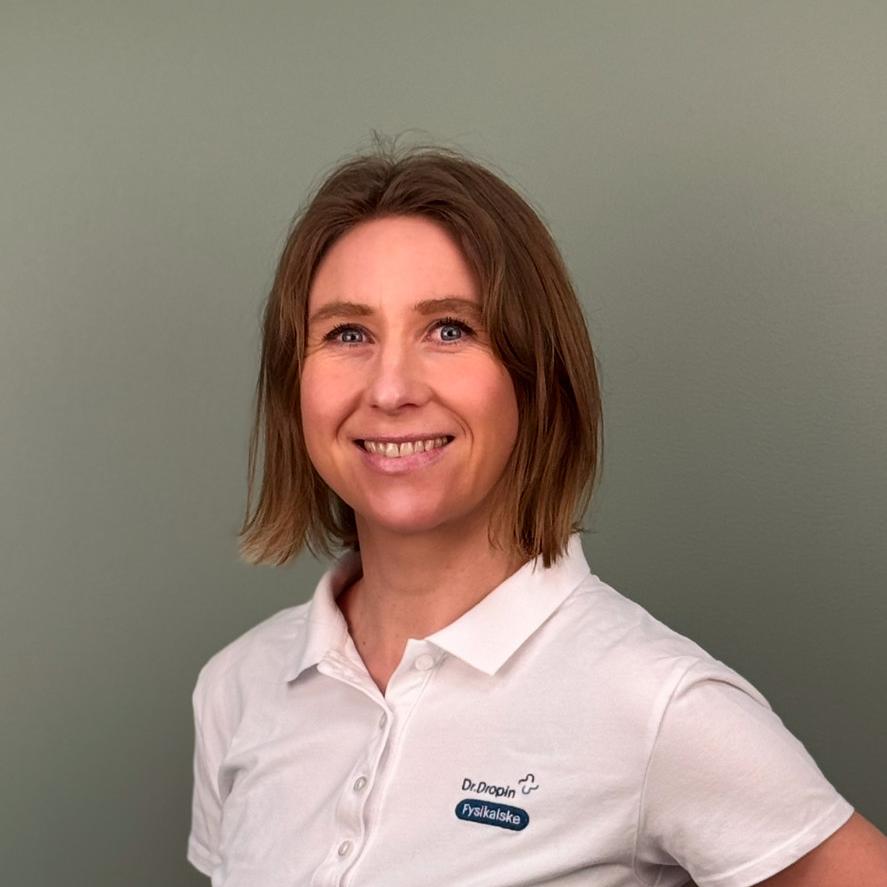
Author: Hildegunn Lilja Solsvik, physiotherapist and psychomotor physiotherapist at Dr.Dropin Hegdehaugsveien. Hildegunn has worked individually and in groups according to psychomotor principles since 2016. Read more on her profile page.