Vestibular rehabilitation for dizziness: what does it involve?
Vestibular rehabilitation is an exercise programme for people with long-lasting dizziness [1][2]. The programme offered by NHI usually lasts six weeks, with exercises done daily that can provoke some dizziness along the way [2]. Before starting, other causes of dizziness should have been ruled out [2].
See availabilityWhat is vestibular rehabilitation?
Vestibular rehabilitation is an exercise programme used for long-lasting dizziness [1][2]. The NHI programme was developed by physiotherapists and doctors and is based on experience from Molde Hospital, where patients with chronic dizziness have for more than ten years been treated in groups led by physiotherapists [1].
The programme is aimed in particular at people with persistent postural-perceptual dizziness, abbreviated PPPD [1][2].
Dizziness has many possible causes
Dizziness is a collective term for symptoms such as a sensation of spinning or rocking. A distinction is made between acute and long-lasting dizziness [4]. Acute dizziness can be caused by, among other things, benign positional vertigo, which gives short attacks triggered by certain head positions, but also by stroke or inflammation of the balance nerve [4].
Long-lasting dizziness has a wide range of causes, and NHI mentions, among others, tension-type headache, anxiety, stiff neck muscles, low blood pressure on standing up, medication and Ménière's disease [4]. Because the causes are so varied, the cause should be clarified before choosing measures. You can read more about benign positional vertigo on a separate page.
How is the programme structured?
The NHI programme usually lasts six weeks and can be extended by six to twelve weeks. Week 1 has six simple exercises, and six new exercises are added in each of weeks 2, 3 and 4, for a total of 24 exercises [2].
The exercises are ideally done for around 20 minutes per session, three times daily, and the number of repetitions is increased gradually [2]. The exercises are meant to provoke some dizziness or discomfort, since this is considered necessary for the programme to have an effect. If the exercises give little discomfort, you can increase the range of movement, the speed or the number of repetitions. If they give a lot of discomfort, you should reduce the range or speed, or do fewer repetitions [2].
The programme includes two questionnaires, Niigata and the Vertigo Symptom Scale, which are filled in before starting and again in week 6, so that you can follow the development [2].
What does the research say?
NHI refers to a Dutch randomised study from 2019, published in BMJ, carried out in 59 general practices. It included 322 patients aged 50 or older with chronic vestibular complaints, who were followed for six months [3].
Participants were divided into three groups: internet-based vestibular rehabilitation alone, internet-based rehabilitation with two visits to a trained therapist, and usual care in general practice. The programme consisted of six exercises done twice daily for about ten minutes, and was adjusted weekly [3].
The groups using the internet programme had better dizziness scores than those receiving usual care, both after three and six months. Adding two therapist visits did not give better results, and no serious side effects were recorded [3]. The results apply to people over 50 and cannot automatically be transferred to younger people. The NHI summary dates from 2019 and does not describe the study's methodological limitations [3].
Who follows up, and is a referral needed?
NHI recommends that the programme is used after referral from a health professional. Contact with a professional is not required along the way, but you may need help interpreting the results of the questionnaires [2].
A physiotherapist can go through your medical history, assess whether such a programme is relevant and follow you up while you do the exercises. At Dr.Dropin you do not need a referral from a doctor to book an appointment.
When should you contact a doctor or call 113?
If dizziness comes on suddenly and is very troublesome, you should consider contacting a doctor quickly. Persistent dizziness should also be assessed by a doctor [4].
Fainting, weakness or loss of strength in an arm or a leg, difficulty speaking, a crooked smile or a head injury within the past weeks are warning signs [4]. If you suspect a stroke, call 113 immediately. Sudden visual disturbance and sudden severe headache without an obvious cause are other signs that are mentioned, and symptoms that pass quickly should also lead you to call 113 [5].
When can it be relevant to book an appointment with us?
If you have long-lasting dizziness that a doctor has assessed, a physiotherapist can examine you and assess whether vestibular rehabilitation is relevant. You can read more on the page about dizziness treatment. If the dizziness is linked to neck problems, you will find information about cervicogenic headache.
See availabilityFrequently asked questions about vestibular rehabilitation
What is vestibular rehabilitation?
An exercise programme used for long-lasting dizziness. The exercises are done regularly and gradually stepped up [1][2].
How long does vestibular rehabilitation take?
The NHI programme usually lasts six weeks and can be extended by six to twelve weeks [2].
Should the exercises make me dizzy?
According to NHI the exercises should provoke some dizziness or discomfort. If they give too much discomfort, you should reduce the range of movement, speed or number of repetitions [2].
What is PPPD?
PPPD stands for persistent postural-perceptual dizziness. The NHI programme is aimed at people with this diagnosis [1][2].
Do I need a referral to start?
NHI recommends using the programme after referral from a health professional [2]. To book an appointment with a physiotherapist at Dr.Dropin you do not need a referral.
Read more
The article about psychomotor physiotherapy describes another approach that can be relevant for long-lasting complaints. You can find more articles in the overview of articles.
Sources
This article was written by Dr.Dropin Fysikalske and is based on the sources listed below. It gives general information and does not replace an examination by a healthcare professional.
The websites were accessed and read on 22 October 2026.
1. Vestibulær rehabilitering (Vestibular rehabilitation). NHI.no. Published 19 August 2020, last updated 23 November 2020. Link
2. Øvelser mot kronisk svimmelhet, introduksjon uke 1 (Exercises for chronic dizziness, introduction week 1). NHI.no. Last updated 5 June 2018. Link
3. Johannessen T. Rehabilitering av voksne med kronisk vestibulært syndrom (Rehabilitation of adults with chronic vestibular syndrome). NHI.no (summary of van Vugt et al., BMJ 2019;367:l5922). 18 November 2019. Link
4. Svimmelhet, veiviser (Dizziness, guide). NHI.no. Last updated 10 July 2024. Link
5. Symptomer på hjerneslag (Symptoms of stroke). NHI.no. Last updated 19 January 2023. Link
About the author
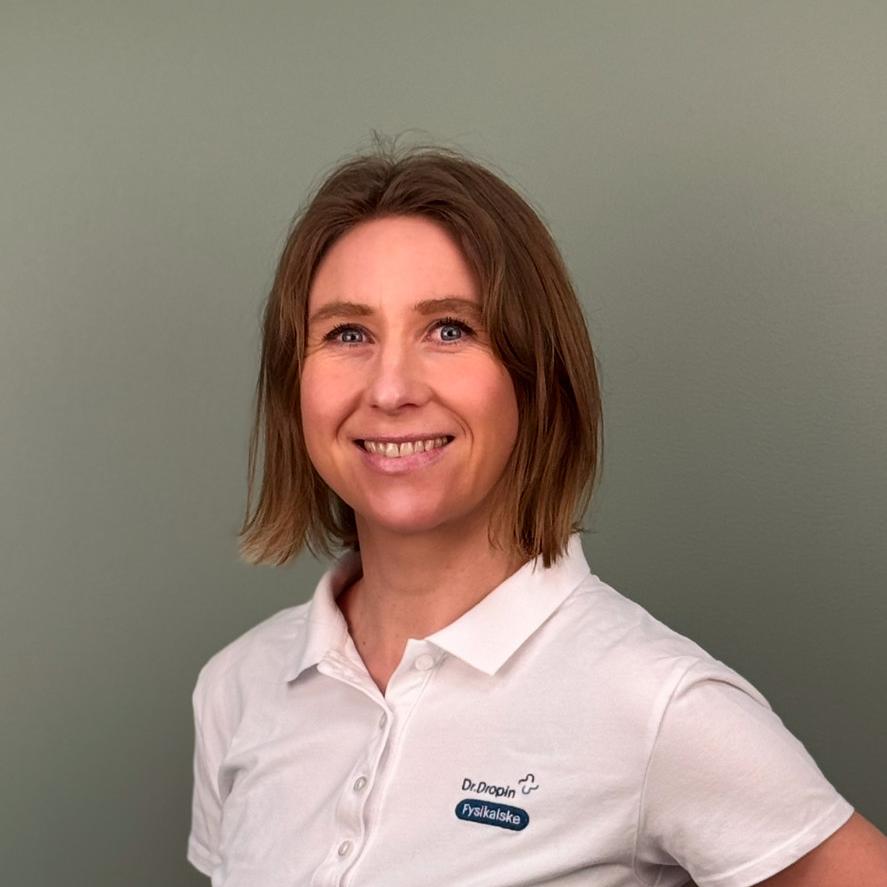
Author: Hildegunn Lilja Solsvik, physiotherapist and psychomotor physiotherapist at Dr.Dropin Hegdehaugsveien. Hildegunn has three years of experience from specialist health services rehabilitating vestibular disorders, tinnitus and Ménière's disease. Read more on her profile page.