Shingles (Herpes Zoster) - Symptoms, treatment and vaccine

Herpes zoster is a painful viral infection that can cause a blistering rash on the skin.

It is caused by the reactivation of the varicella-zoster virus, the same virus that causes chickenpox.

At Dr. Dropin, we offer rapid assessment and treatment of shingles, as well as information about vaccines to prevent the disease.

Read on to learn more

See available appointments

What is herpes zoster?

Shingles is a viral infection that affects the nerves and the skin.

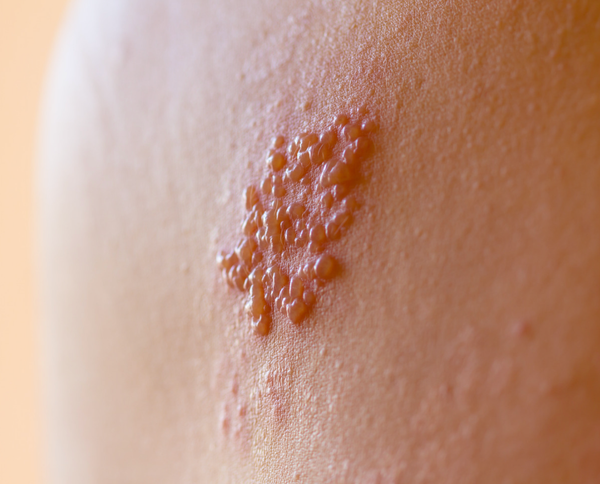
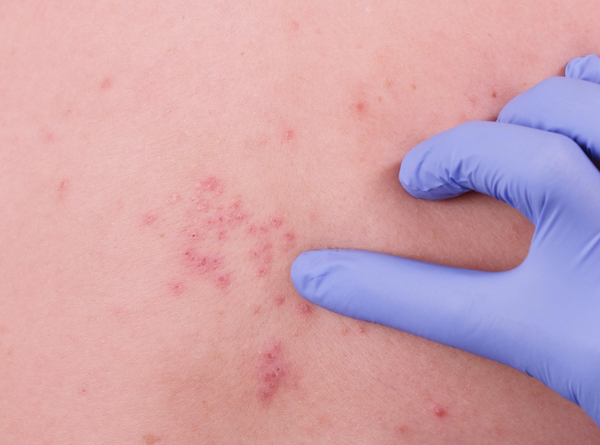
It causes a painful, blistering rash that usually occurs on one side of the body.

See available appointments

Causes of herpes zoster

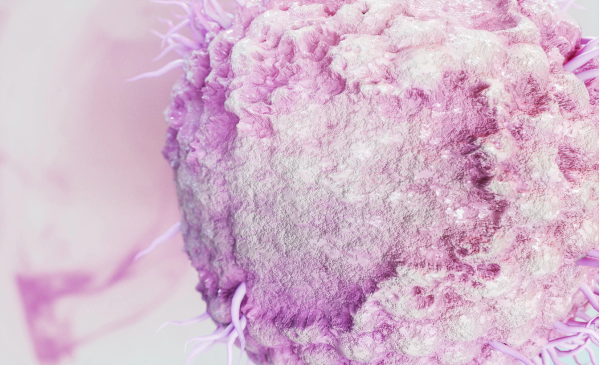
Shingles is caused by the varicella-zoster virus, the same virus that causes chickenpox.

After you've had chickenpox, the virus remains dormant in your body.

It can reactivate later in life, usually when the immune system is weakened, and cause shingles.

Symptoms of herpes zoster

Symptoms of shingles

  • Pain, burning or tingling sensation in the skin
  • Redness and rash with blisters
  • Itch
  • Headache
  • Fever
  • Freezing
  • Fatigue
See available appointments

Who is at risk for herpes zoster?

  • Persons over 50 years of age
  • People with a weakened immune system
  • People who have had chickenpox
See available appointments
Is herpes zoster contagious?

About 1/3 get shingles and most are over 60 when it happens.

✔️ Shingles can be seen as a recurrence of chicken pox.

✔️ It is not contagious for those who have already had chickenpox.

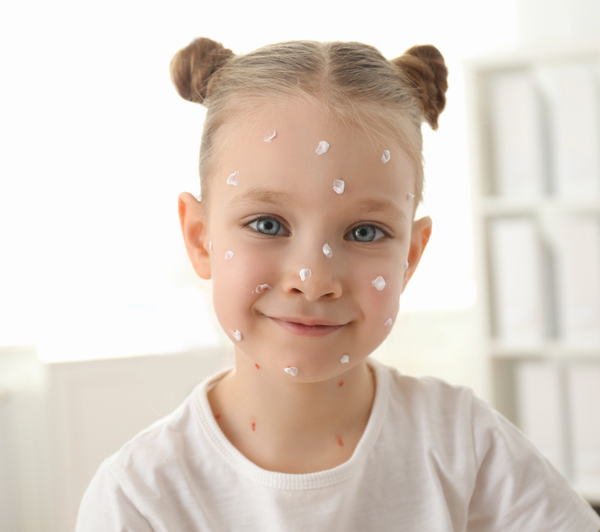
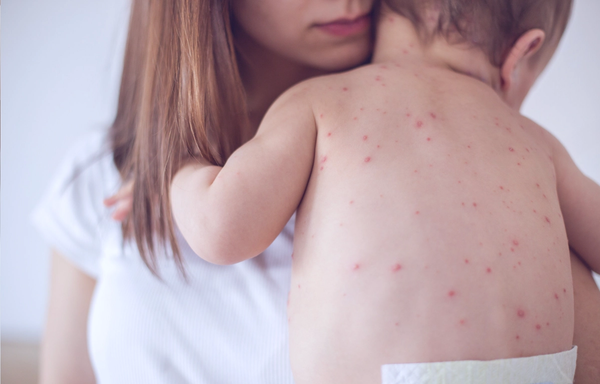
✔️ People who have not had chickenpox can get chickenpox from contact with a person who has shingles.

✔️ Chickenpox in children is usually mild, but can be serious in adults

✔️ Adults who have not had chickenpox should avoid close contact with people who have shingles.

Complications of herpes zoster

Although most people recover completely from herpes zoster, some may experience complications:

  • Postherpetic neuralgia: Persistent pain in the area where the rash was, even after it has healed.
  • Eye problems: If herpes zoster affects the eye, it can cause vision loss.
  • Other complications: In rare cases, herpes zoster can lead to neurological problems, hearing loss or meningitis.
See available appointments

Treatment of herpes zoster

Early treatment is important to reduce the severity and duration of herpes zoster, as well as the risk of complications.

  • Antiviral medicines: These medicines help fight the virus and shorten the course of the disease.
  • Pain relief: Paracetamol or other pain relievers can be used to relieve the pain.
  • Other treatments: In some cases, treatment may be needed for specific complications, such as eye drops or nerve blocks.
See available appointments
Prevention of herpes zoster - Vaccine

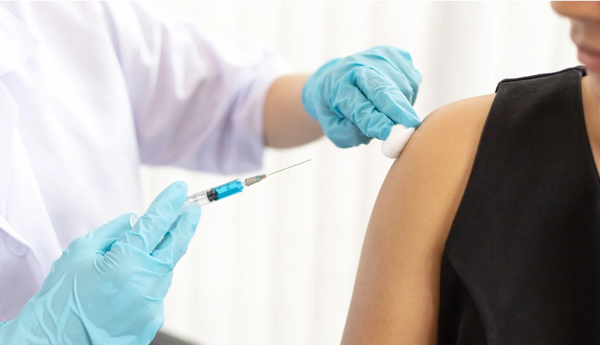
The best way to prevent shingles is to get vaccinated. In Norway, there are two available vaccines against shingles:

  • Zostavax: A live attenuated vaccine recommended for people over 50 without a weakened immune system.
  • Shingrix: A recombinant, inactivated vaccine that can be given to people over the age of 50, as well as people from the age of 18 at increased risk of shingles. This vaccine is particularly suitable for people with a weakened immune system.

Both vaccines provide good protection against shingles and reduce the risk of complications such as postherpetic neuralgia. Talk to your doctor to find out which vaccine is right for you.

Remember: The vaccine cannot cure shingles if you already have it, but it can help prevent future outbreaks and reduce the severity of symptoms.

Read more about how we can help with vaccinesSee available appointments

New Research: Can the vaccine help prevent dementia?

n recent years, highly interesting research results, including studies from the University of Oxford, have suggested a link between the Shingrix vaccine and brain health.

  • Promising Results: Studies indicate that individuals who have received Shingrix have a lower risk of developing dementia and Alzheimer’s disease compared to those who are unvaccinated or received the older vaccine type.
  • The Theory: One theory suggests that the herpes virus (which causes shingles) may trigger inflammatory processes in the brain. By preventing the virus from reactivating, the vaccine may potentially protect the brain against certain forms of cognitive decline.
  • Please Note: Although these findings are very positive, this is not yet part of the official medical guidelines in Norway. The primary purpose of vaccination remains the prevention of shingles and its painful after-effects.
Read more about how we can help with vaccinesSee available appointments

When should I see a doctor with shingles?

Contact your doctor if you suspect you have shingles, especially if:

  • The rash is near the eye.
  • You have a weakened immune system.
  • The pain is intense.
  • You experience other symptoms such as fever or headache.
See available appointments

See how Dr. Dropin can help you

If you suspect shingles, contact GP or dermatologist for assessment and treatment.

Rapid treatment is important to reduce pain and complications.

Vaccination against shingles is recommended to prevent the disease, especially for people over 50 or at increased risk. Talk to your GP about this.

Contact