



Pediatrician in Oslo
Specialist expertise for the little ones – without any waiting time.
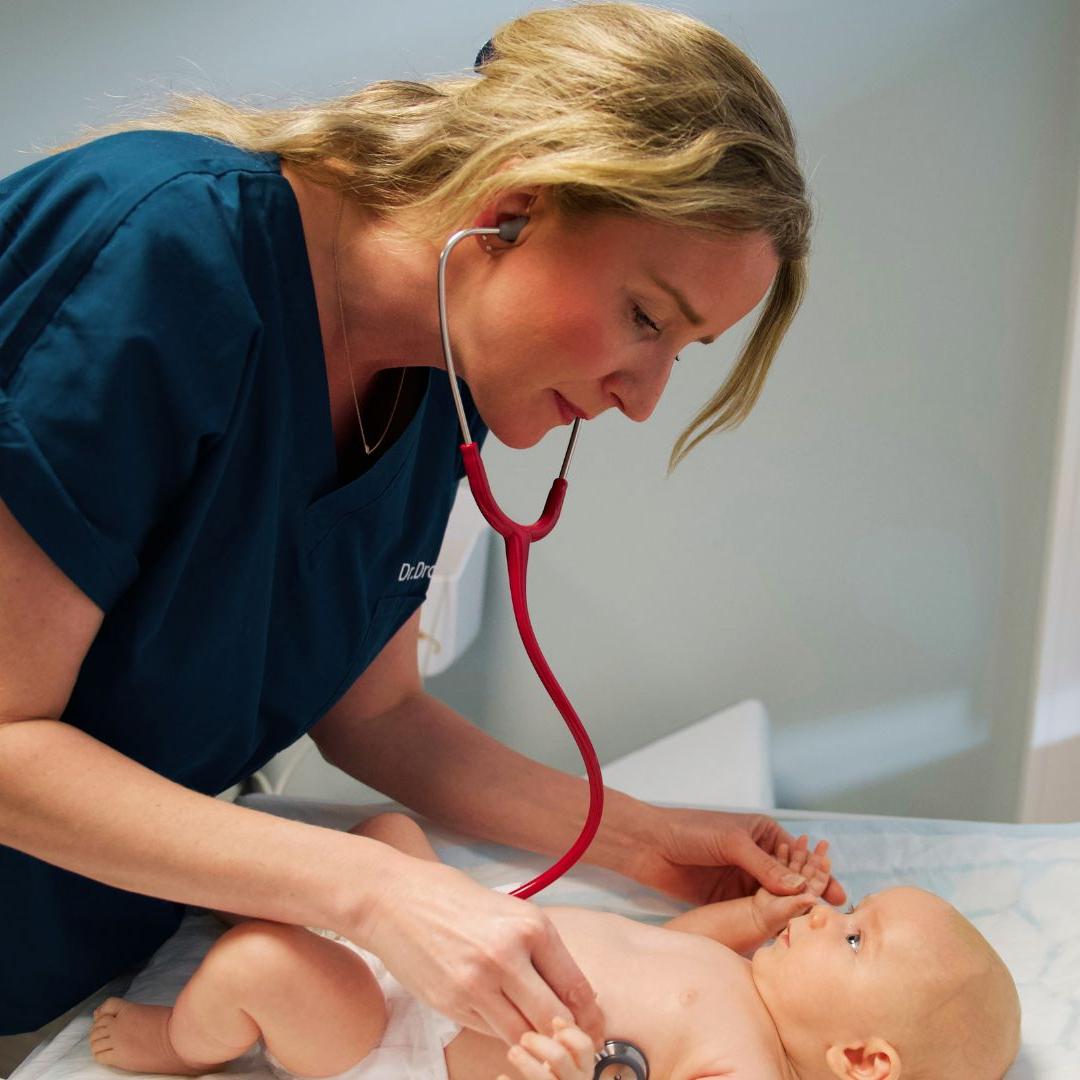
At our pediatricians, your child receives a thorough examination by specialists in childhood and adolescent diseases. We combine high professional expertise with a child-friendly experience at our specialist center in Homansbyen in Oslo.
No referral necessary – book directly.
See available appointments and prices
Pediatrician at Dr.Dropin
Our experienced pediatric specialists treat children and adolescents from 0–18 years of age for both acute and chronic conditions. We ensure ample time for both consultation and a thorough physical examination.
Examples of conditions we can help with:
- Asthma and allergies
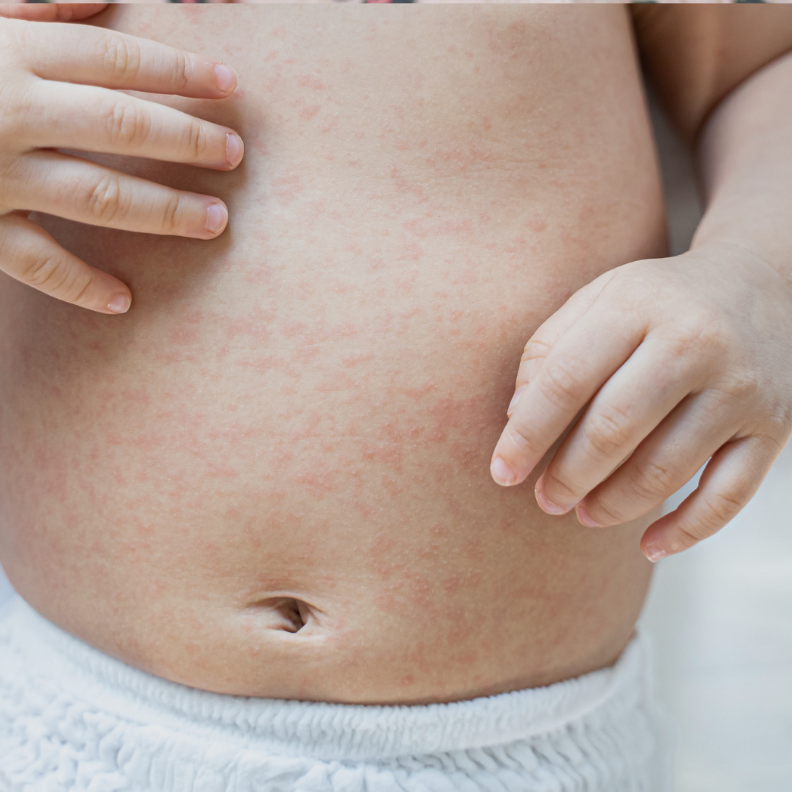
- Rashes, eczema, and other skin conditions
- Fever and infections
- Ear, throat, and sinus pain
- Cough and respiratory symptoms
- Gastrointestinal issues, including constipation, diarrhea, and abdominal pain
- Food intolerances
- Growth and developmental challenges
- Infant and toddler medicine
- Newborn assessments during the first weeks of life (growth, feeding, sleep, reflux, colic, suspected cow's milk protein allergy, digestion)
- Headaches in children and adolescents
- Sleep problems in children and adolescents
- Pinworms (threadworms)
- Eye issues, such as redness, itching, and infection
You can book an appointment directly without a referral and get quick access to specialist expertise when you need it.
Book appointment
Always a fixed price – no hidden extras
Pediatric Specialist
- Initial Consultation (30 min): 1,495 NOK
- A comprehensive review of the child's medical history, assessment of symptoms, and a thorough physical examination.
- Follow-up (15 min): 795 NOK
- We make long-term follow-up affordable for your child. Ideal for reviewing treatment progress, adjusting medication, or discussing test results.
- Skin Prick Test (Allergy): 995 NOK (additional fee)
- Spirometry (Lung Function Test): 795 NOK (additional fee)
Do you have a simpler medical concern?
GP for children: 795 NOK
Book appointment
Same doctors as at the hospital - no queues
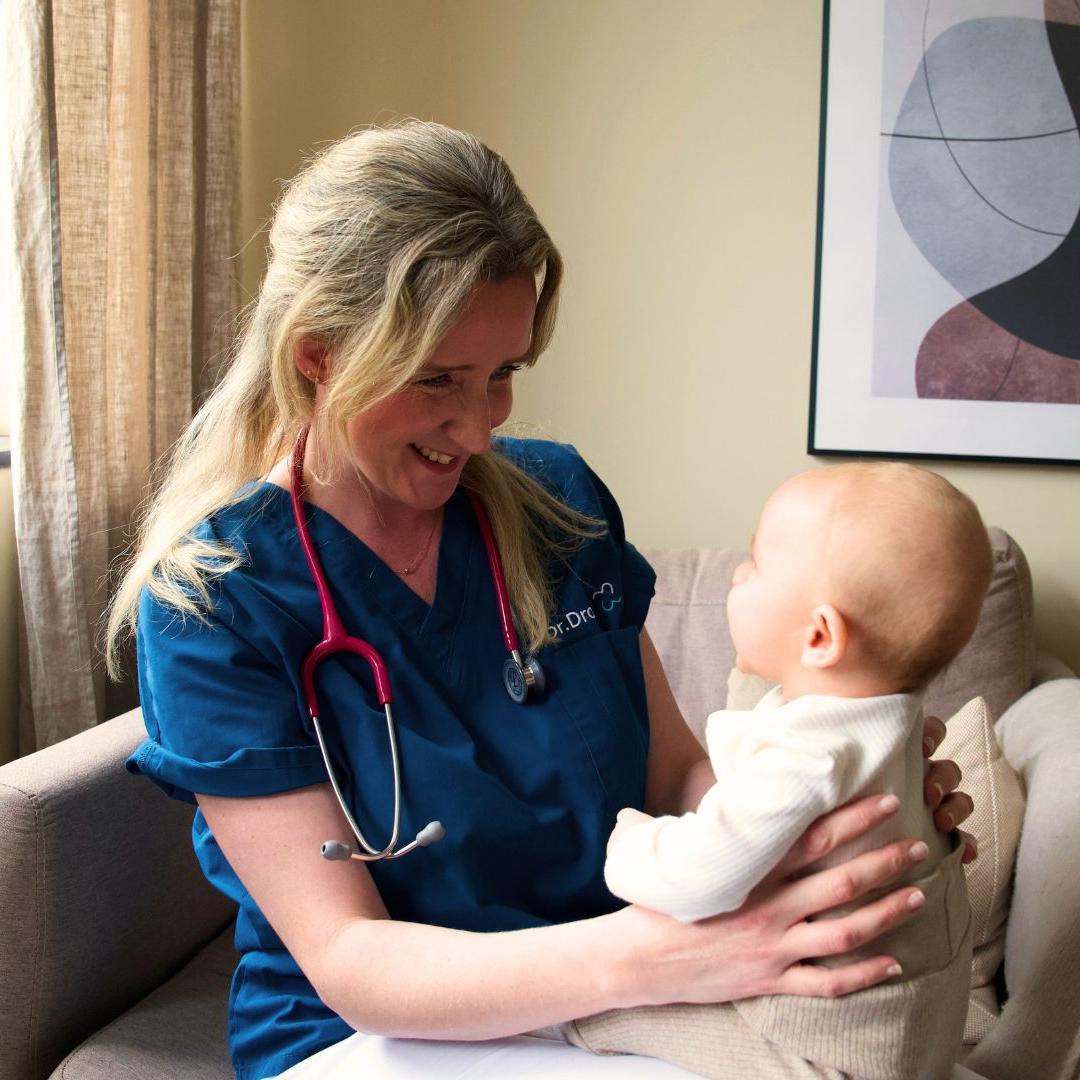
Dr. Anette Broen Sandmo is one of the highly experienced pediatricians at Dr.Dropin. She has extensive experience from pediatric wards and pediatric emergency departments at reputable hospitals. She treats children and adolescents ranging from newborns to 18 years of age. With Dr. Broen Sandmo, you will meet a specialist with broad experience and solid expertise in assessing and treating both acute and chronic conditions in children.
Dr. Broen Sandmo is committed to high clinical quality and is known for creating a calm and reassuring atmosphere for both children and parents. She takes the time to listen, answer questions, and address concerns seriously, meeting both children and parents with respect and empathy.
She maintains a holistic approach to the child’s health, aiming to find sound and safe solutions that support the well-being of the whole child and the entire family.
Consultations are available in Norwegian, Swedish, Danish, and English.
Book an appointment with a pediatrician (1495,-)
Peace of mind for parents, a sense of mastery for children
- Modern premises and doctors who meet the child at eye level
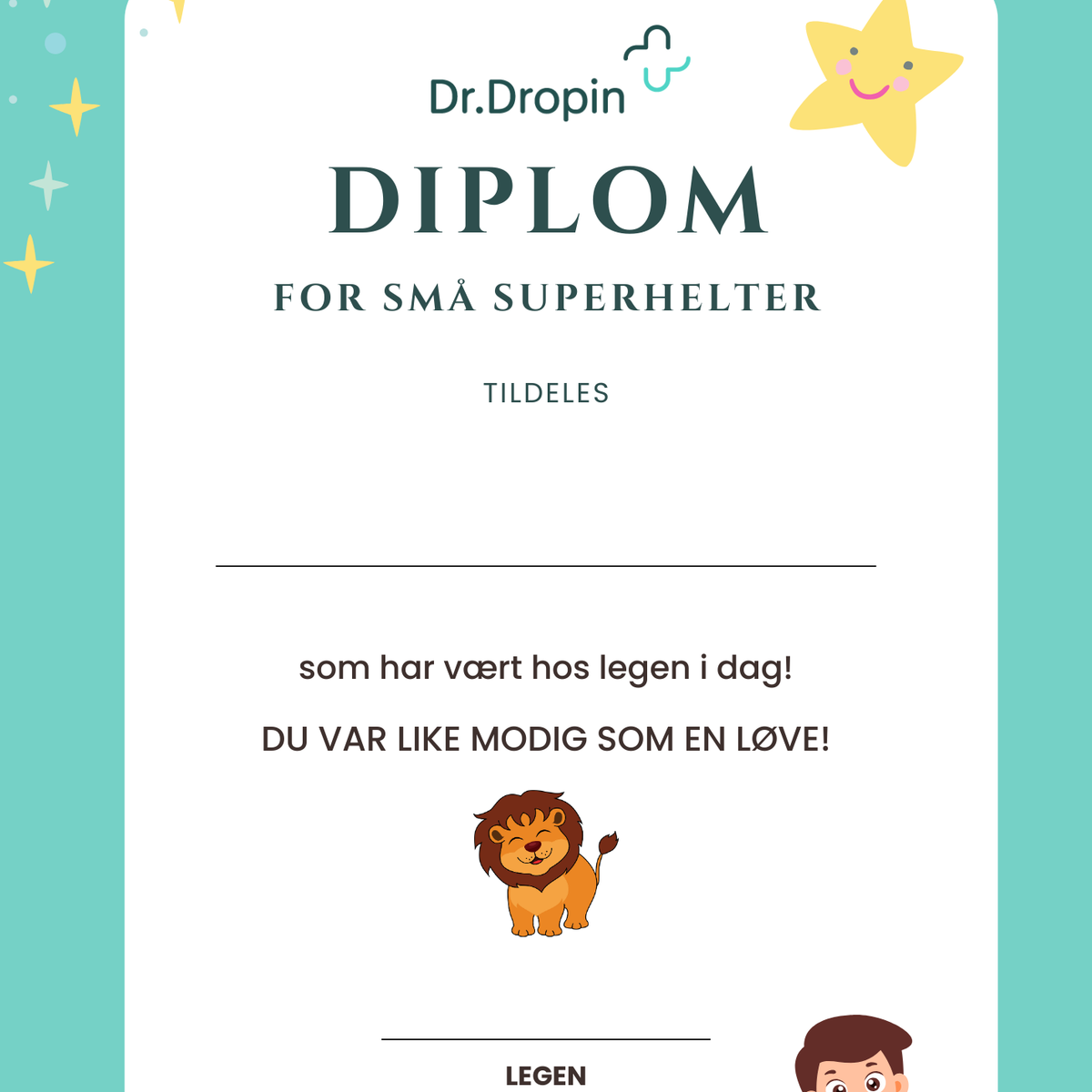
- All brave patients receive a diploma and prize after the visit
- Easily accessible by train, bus and tram in Homansbyen in Oslo (Oscarsgate 20). Parking available right outside. Elevator for strollers.

Information about lab tests and diagnostics
To provide your child with the best possible care, we perform several types of tests at our clinic.
- Rapid Tests (Included): Simple tests such as CRP (infection marker), glucose, and Hb (blood count) are performed when necessary and are included in the consultation fee.
- Asthma and Allergy Testing: If the pediatrician determines that further testing is needed, one of our skilled nurses will assist with the procedure.
- Skin Prick Test (Allergy): 995 NOK
- Spirometry (Lung Function): 795 NOK
- Comprehensive Blood Samples: For tests requiring laboratory analysis, the pediatrician will issue a referral (requisition) to a hospital or a specialized pediatric lab. This ensures that the samples are taken in a child-friendly environment by experts in pediatric care.
When should you choose a pediatrician?
When should you choose a pediatrician (Specialist)?
Choose a pediatrician if your child needs an assessment of long-term ailments, complex issues, or if you want an assessment by a doctor specializing in pediatric diseases. We set aside 30 minutes for the first consultation.
When should you choose a GP?
Choose a general practitioner for acute problems such as ear infections, sore throats, fever, shorter illness courses or prescriptions. This is an effective service that is available at all our clinics. Read more about doctor's appointments for children here.
When should you call an emergency room or 113?
In some situations, it will be better to go to the emergency room or call 113. Especially if your child is in acute danger.
Read more
Injuries and cuts in children?
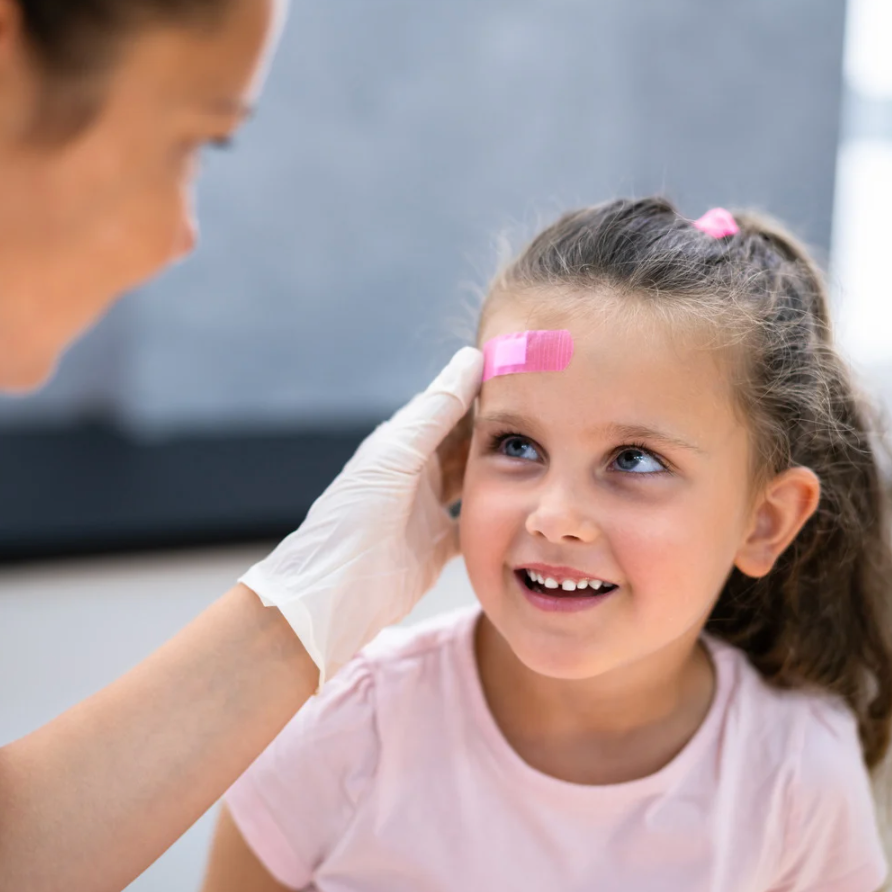
Our experienced doctors help children of all ages with wound care and assessment of cuts. We stitch up minor cuts, but for deep cuts, cuts to the face, or wounds with signs of infection, the emergency room should be consulted.
For children under 2 years of age, or children who need extra support during treatment (for example, if the child needs to be held firmly), the emergency room may be a better option. They have additional staff who can assist the doctor in such situations. If in doubt, contact us or the emergency room for advice.
Read more and book an appointment for minor surgery here
Frequently asked questions
What is the difference between a pediatrician and a general practitioner?
A pediatrician is a specialist in childhood diseases and is used to diagnose complex or long-term conditions that require in-depth specialist knowledge. A general practitioner is a generalist who treats acute illnesses (fever, ear infections, wounds) quickly and effectively.
What is the difference between a pediatrician and a general practitioner?
A pediatrician is a specialist in childhood diseases and is used to diagnose complex or long-term conditions that require in-depth specialist knowledge. A general practitioner is a generalist who treats acute illnesses (fever, ear infections, wounds) quickly and effectively.
Do I need a referral to book an appointment?
No. At Dr.Dropin you do not need a referral from your GP. You can book an appointment directly with our specialists whenever you feel the need.
Do I need a referral to book an appointment?
No. At Dr.Dropin you do not need a referral from your GP. You can book an appointment directly with our specialists whenever you feel the need.
How long is the wait time at the pediatrician?
We aim to offer appointments within a few days, often the same week. This is an alternative to the public specialist health service where there can often be a waiting time of several months.
How long is the wait time at the pediatrician?
We aim to offer appointments within a few days, often the same week. This is an alternative to the public specialist health service where there can often be a waiting time of several months.
Can the pediatrician write prescriptions and referrals?
Yes, our pediatricians have full prescribing rights and can refer for X-rays, MRIs or hospital if medically necessary. They can also apply for a blue prescription for regular medications.
Can the pediatrician write prescriptions and referrals?
Yes, our pediatricians have full prescribing rights and can refer for X-rays, MRIs or hospital if medically necessary. They can also apply for a blue prescription for regular medications.
What happens if the child is very scared?
We focus on empowering children and giving them a sense of mastery. Our doctors are highly experienced in working with children, prioritizing trust and taking the time needed to make your child feel safe. After the appointment, every child receives a diploma and a small prize.
What happens if the child is very scared?
We focus on empowering children and giving them a sense of mastery. Our doctors are highly experienced in working with children, prioritizing trust and taking the time needed to make your child feel safe. After the appointment, every child receives a diploma and a small prize.
How do I know if my child's rash could be a sign of a serious illness?
If the child is in bad shape, has a fever, cries, expresses pain or discomfort, does not want to eat or drink anything in particular, is lethargic - then you should contact a doctor for a quick assessment
How do I know if my child's rash could be a sign of a serious illness?
If the child is in bad shape, has a fever, cries, expresses pain or discomfort, does not want to eat or drink anything in particular, is lethargic - then you should contact a doctor for a quick assessment
I think my child has chicken pox, what should I do?
If there is an outbreak of chicken pox in the nursery and you are sure that your child has been infected, all you have to do is keep the child at home until all the sores have dried up.
If the child seems to be in bad shape, has a high fever, etc., you should contact a doctor for an assessment
If you are in doubt as to whether it is chicken pox or not, it might also be good to have an examination by a doctor, so you will know for another time whether the child has had this or not.
I think my child has chicken pox, what should I do?
If there is an outbreak of chicken pox in the nursery and you are sure that your child has been infected, all you have to do is keep the child at home until all the sores have dried up.
If the child seems to be in bad shape, has a high fever, etc., you should contact a doctor for an assessment
If you are in doubt as to whether it is chicken pox or not, it might also be good to have an examination by a doctor, so you will know for another time whether the child has had this or not.
Is atopic eczema hereditary?
Heredity plays a significant role in the development of atopic eczema, yes, and if one of the parents has had this, there is a higher risk of their children also developing it.
Is atopic eczema hereditary?
Heredity plays a significant role in the development of atopic eczema, yes, and if one of the parents has had this, there is a higher risk of their children also developing it.
My child has a rash, can I send him/her to kindergarten for it?
Some types of rash can be contagious, so it is always a good idea to get an assessment from a doctor if you are in doubt.
My child has a rash, can I send him/her to kindergarten for it?
Some types of rash can be contagious, so it is always a good idea to get an assessment from a doctor if you are in doubt.
What is a rash?
Rashes are changes in the skin's colour, texture or appearance, and may be red, itchy, oozing or raised.
What is a rash?
Rashes are changes in the skin's colour, texture or appearance, and may be red, itchy, oozing or raised.
What are the common causes of rashes in children in Norway?
Viral infections (measles, rubella, chicken pox), bacterial infections (scarlet fever, chicken pox), allergic reactions (food allergy, eczema), heat rash, nappy rash and insect bites.
What are the common causes of rashes in children in Norway?
Viral infections (measles, rubella, chicken pox), bacterial infections (scarlet fever, chicken pox), allergic reactions (food allergy, eczema), heat rash, nappy rash and insect bites.
What do different rashes look like?
Viral rashes often start on the body and spread, while bacterial rashes are often red and runny. Allergic reactions cause an itchy, red rash, and eczema is dry and itchy. Heat rashes are small, red dots, and insect bites are red and swollen.
What do different rashes look like?
Viral rashes often start on the body and spread, while bacterial rashes are often red and runny. Allergic reactions cause an itchy, red rash, and eczema is dry and itchy. Heat rashes are small, red dots, and insect bites are red and swollen.
When should I contact a doctor with a rash?
Contact a doctor immediately if you have rapid breathing, lethargy, high fever, a rash that does not go away when you press on it, a rash in the mouth/eyes, severe pain or swelling in the face. Contact a doctor within a short time in case of widespread rash, worsening, fever, vomiting, diarrhea or uncertainty about the cause.
When should I contact a doctor with a rash?
Contact a doctor immediately if you have rapid breathing, lethargy, high fever, a rash that does not go away when you press on it, a rash in the mouth/eyes, severe pain or swelling in the face. Contact a doctor within a short time in case of widespread rash, worsening, fever, vomiting, diarrhea or uncertainty about the cause.
Can I use Dr.Dropin video doctor for rashes?
Yes, a video doctor can give advice on milder rashes. If a physical examination is required, you will be referred further.
Can I use Dr.Dropin video doctor for rashes?
Yes, a video doctor can give advice on milder rashes. If a physical examination is required, you will be referred further.
How to treat rash?
Treatment depends on the cause. Cooling baths, moisturizers and antipruritic agents can relieve symptoms. Antibiotics or allergy medicine may be necessary in some cases.
How to treat rash?
Treatment depends on the cause. Cooling baths, moisturizers and antipruritic agents can relieve symptoms. Antibiotics or allergy medicine may be necessary in some cases.
How to prevent rashes?
Good hygiene, avoid overheating, use sunscreen and bug spray, and follow the vaccination programme.
How to prevent rashes?
Good hygiene, avoid overheating, use sunscreen and bug spray, and follow the vaccination programme.
What is chicken pox?
Chickenpox is a highly contagious viral disease that causes an itchy rash with red dots and blisters. The rash often starts on the body and spreads to the face, arms and legs. The child may also have a fever, headache and be lethargic.
What is chicken pox?
Chickenpox is a highly contagious viral disease that causes an itchy rash with red dots and blisters. The rash often starts on the body and spreads to the face, arms and legs. The child may also have a fever, headache and be lethargic.
What is hand, foot and mouth disease?
Hand, foot and mouth disease is a viral infection that causes blisters in the mouth, hands and feet. The child may also have a fever and a sore throat. The disease is most common in children under 5 years of age.
What is hand, foot and mouth disease?
Hand, foot and mouth disease is a viral infection that causes blisters in the mouth, hands and feet. The child may also have a fever and a sore throat. The disease is most common in children under 5 years of age.
What is three-day fever (exanthema subitum)?
Three-day fever is a viral infection that causes a high fever for 3-4 days, followed by a pale pink rash on the body when the fever subsides. The disease is most common in children under 2 years of age.
What is three-day fever (exanthema subitum)?
Three-day fever is a viral infection that causes a high fever for 3-4 days, followed by a pale pink rash on the body when the fever subsides. The disease is most common in children under 2 years of age.
What is fifth childhood disease (erythema infectiosum)?
Fifth childhood disease is a viral infection that causes a red rash on the cheeks ("slapped cheek"), followed by a lace-like rash on the body. The disease is most common in school-aged children.
What is fifth childhood disease (erythema infectiosum)?
Fifth childhood disease is a viral infection that causes a red rash on the cheeks ("slapped cheek"), followed by a lace-like rash on the body. The disease is most common in school-aged children.
What is scarlet fever?
Scarlet fever is a bacterial infection that causes a red, sandpaper-like rash on the body, often accompanied by fever, sore throat and "raspberry tongue".
What is scarlet fever?
Scarlet fever is a bacterial infection that causes a red, sandpaper-like rash on the body, often accompanied by fever, sore throat and "raspberry tongue".
What is impetigo (chicken pox)?
Impetigo is a skin infection caused by bacteria. It causes oozing sores that crack and form yellow crusts. Impetigo is contagious and most common in children.
What is impetigo (chicken pox)?
Impetigo is a skin infection caused by bacteria. It causes oozing sores that crack and form yellow crusts. Impetigo is contagious and most common in children.
What is atopic eczema?
Atopic eczema is a chronic skin disease that causes dry, itchy and inflamed skin. It is most common in children and can be hereditary.
What is atopic eczema?
Atopic eczema is a chronic skin disease that causes dry, itchy and inflamed skin. It is most common in children and can be hereditary.
How can I know which disease my child has?
It is important to contact a doctor to get the correct diagnosis and treatment of rashes in children. The doctor will assess the rash, the child's symptoms and any history of infection to find the cause.
How can I know which disease my child has?
It is important to contact a doctor to get the correct diagnosis and treatment of rashes in children. The doctor will assess the rash, the child's symptoms and any history of infection to find the cause.
Can I treat childhood illnesses at home?
Most viral infections that cause rashes in children go away on their own. You can relieve the symptoms with fever-reducing, pain-relieving and anti-itching agents. In the case of bacterial infections, antibiotics may be necessary.
If you are unsure or in doubt, contact a doctor.
Can I treat childhood illnesses at home?
Most viral infections that cause rashes in children go away on their own. You can relieve the symptoms with fever-reducing, pain-relieving and anti-itching agents. In the case of bacterial infections, antibiotics may be necessary.
If you are unsure or in doubt, contact a doctor.
How can I relieve my child's discomfort from a rash?
You can ease the discomfort of a rash by:
Give the child fever-reducing and pain-relieving medicine (on advice from a doctor or pharmacist).
Cool the skin with cold compresses or a lukewarm bath.
Use anti-itch cream or lotion (on advice from a doctor or pharmacist).
Dress the child in soft, loose-fitting clothes.
Make sure the child gets enough fluids.
How can I relieve my child's discomfort from a rash?
You can ease the discomfort of a rash by:
Give the child fever-reducing and pain-relieving medicine (on advice from a doctor or pharmacist).
Cool the skin with cold compresses or a lukewarm bath.
Use anti-itch cream or lotion (on advice from a doctor or pharmacist).
Dress the child in soft, loose-fitting clothes.
Make sure the child gets enough fluids.
When can my child return to daycare/school after a rash?
When the child can return to kindergarten or school depends on the illness and the child's general condition. In the case of infectious diseases, it is important to follow the doctor's advice to avoid infecting others.
When can my child return to daycare/school after a rash?
When the child can return to kindergarten or school depends on the illness and the child's general condition. In the case of infectious diseases, it is important to follow the doctor's advice to avoid infecting others.
What is an ear infection and what causes it?
Otitis media, also known as otitis media, is an inflammation of the middle ear, usually caused by an infection. The infection can be bacterial or viral, and it can occur as a result of a cold or other respiratory infection.
What is an ear infection and what causes it?
Otitis media, also known as otitis media, is an inflammation of the middle ear, usually caused by an infection. The infection can be bacterial or viral, and it can occur as a result of a cold or other respiratory infection.
What are the symptoms of an ear infection?
The symptoms of an ear infection can include ear pain, a feeling of fullness in the ear, impaired hearing, fever, and in some cases fluid leakage from the ear.
What are the symptoms of an ear infection?
The symptoms of an ear infection can include ear pain, a feeling of fullness in the ear, impaired hearing, fever, and in some cases fluid leakage from the ear.
How is ear infection diagnosed?
Ear infections can be diagnosed by examining the ear with an otoscope to look for signs of inflammation and infection. The doctor may also take a sample of the fluid from the ear to determine whether the infection is bacterial or viral.
How is ear infection diagnosed?
Ear infections can be diagnosed by examining the ear with an otoscope to look for signs of inflammation and infection. The doctor may also take a sample of the fluid from the ear to determine whether the infection is bacterial or viral.
How is an ear infection treated?
The treatment of otitis media may include pain relievers such as ibuprofen or acetaminophen to relieve pain and fever, as well as prescription ear drops or antibiotics if the infection is bacterial.
How is an ear infection treated?
The treatment of otitis media may include pain relievers such as ibuprofen or acetaminophen to relieve pain and fever, as well as prescription ear drops or antibiotics if the infection is bacterial.
How can I relieve ear infection pain at home?
Pain from an ear infection can be relieved at home by applying warm compresses to the affected ear, taking pain medication as prescribed by the doctor, and by avoiding lying flat on the ear.
How can I relieve ear infection pain at home?
Pain from an ear infection can be relieved at home by applying warm compresses to the affected ear, taking pain medication as prescribed by the doctor, and by avoiding lying flat on the ear.
Are there any special precautions I should take if I have an ear infection?
Yes, it may be a good idea to avoid submerging your head under water while bathing or swimming, and to contact a doctor if symptoms do not improve within a few days or get worse.
Are there any special precautions I should take if I have an ear infection?
Yes, it may be a good idea to avoid submerging your head under water while bathing or swimming, and to contact a doctor if symptoms do not improve within a few days or get worse.
What is an ear canal infection and what causes it?
An ear canal infection, also known as otitis externa, is an inflammation of the ear canal caused by bacteria or fungi. Common causes include moisture in the ear, damage to the ear canal, or the use of foreign objects in the ear.
What is an ear canal infection and what causes it?
An ear canal infection, also known as otitis externa, is an inflammation of the ear canal caused by bacteria or fungi. Common causes include moisture in the ear, damage to the ear canal, or the use of foreign objects in the ear.
What are the symptoms of ear canal infection?
The symptoms of an ear canal infection can include ear pain, itching in the ear, redness and swelling of the ear canal, hearing loss, and in some cases fluid drainage from the ear.
What are the symptoms of ear canal infection?
The symptoms of an ear canal infection can include ear pain, itching in the ear, redness and swelling of the ear canal, hearing loss, and in some cases fluid drainage from the ear.
How is ear canal infection diagnosed?
Ear canal infection can usually be diagnosed by a physical examination of the ear by a doctor. In some cases, a sample of earwax or fluid from the ear may be needed to confirm the diagnosis.
How is ear canal infection diagnosed?
Ear canal infection can usually be diagnosed by a physical examination of the ear by a doctor. In some cases, a sample of earwax or fluid from the ear may be needed to confirm the diagnosis.
How is ear canal infection treated?
The treatment of ear canal infection may include prescription ear drops containing antibiotics or antifungals, pain medications to relieve pain and inflammation, and in some cases oral antibiotics.
How is ear canal infection treated?
The treatment of ear canal infection may include prescription ear drops containing antibiotics or antifungals, pain medications to relieve pain and inflammation, and in some cases oral antibiotics.
How can I relieve ear canal infection pain at home?
Pain from an ear canal infection can be relieved at home by applying warm compresses to the affected ear, taking pain medication as prescribed by the doctor, and by avoiding manipulating or inserting anything into the ear.
How can I relieve ear canal infection pain at home?
Pain from an ear canal infection can be relieved at home by applying warm compresses to the affected ear, taking pain medication as prescribed by the doctor, and by avoiding manipulating or inserting anything into the ear.
Can ear canal infection be prevented?
Prevention of ear canal infection includes avoiding exposing the ears to excess moisture, avoiding swimming in contaminated water, and avoiding manipulating the ears unnecessarily.
Can ear canal infection be prevented?
Prevention of ear canal infection includes avoiding exposing the ears to excess moisture, avoiding swimming in contaminated water, and avoiding manipulating the ears unnecessarily.
What is conjunctivitis and what causes it?
Conjunctivitis is an inflammation of the outer layer of the eye and the inside of the eyelid. It can be caused by bacteria, viruses, allergens or irritants.
What is conjunctivitis and what causes it?
Conjunctivitis is an inflammation of the outer layer of the eye and the inside of the eyelid. It can be caused by bacteria, viruses, allergens or irritants.
What is the difference between bacterial, viral and allergic conjunctivitis?
Bacterial conjunctivitis is caused by bacteria, viral conjunctivitis by viruses, while allergic conjunctivitis occurs as a reaction to allergens.
What is the difference between bacterial, viral and allergic conjunctivitis?
Bacterial conjunctivitis is caused by bacteria, viral conjunctivitis by viruses, while allergic conjunctivitis occurs as a reaction to allergens.
What are the symptoms of conjunctivitis?
Symptoms include red eyes, itching, burning, tearing, pus formation, and sensation of sand or foreign body in the eye.
What are the symptoms of conjunctivitis?
Symptoms include red eyes, itching, burning, tearing, pus formation, and sensation of sand or foreign body in the eye.
How is conjunctivitis treated?
Treatment depends on the cause, but may include prescription eye drops or ointments, antihistamines for allergic conjunctivitis, and good eye hygiene.
How is conjunctivitis treated?
Treatment depends on the cause, but may include prescription eye drops or ointments, antihistamines for allergic conjunctivitis, and good eye hygiene.
How long does conjunctivitis last?
The duration of conjunctivitis depends on the cause. Viral conjunctivitis can last for 1-2 weeks, while bacterial conjunctivitis may require antibiotic treatment and last less with the right treatment.
How long does conjunctivitis last?
The duration of conjunctivitis depends on the cause. Viral conjunctivitis can last for 1-2 weeks, while bacterial conjunctivitis may require antibiotic treatment and last less with the right treatment.
Can conjunctivitis come back after treatment?
Yes, conjunctivitis can come back if you do not follow your doctor's instructions for treatment or if you are exposed to the same infectious factors again.
Can conjunctivitis come back after treatment?
Yes, conjunctivitis can come back if you do not follow your doctor's instructions for treatment or if you are exposed to the same infectious factors again.
What are the most common complications associated with conjunctivitis?
Common complications include corneal infection, eyelid inflammation, and in rare cases, vision loss.
What are the most common complications associated with conjunctivitis?
Common complications include corneal infection, eyelid inflammation, and in rare cases, vision loss.
Can I wear contact lenses if I have conjunctivitis?
It is best to avoid wearing contact lenses while you have conjunctivitis, as this can worsen the condition and increase the risk of infection.
Can I wear contact lenses if I have conjunctivitis?
It is best to avoid wearing contact lenses while you have conjunctivitis, as this can worsen the condition and increase the risk of infection.
