Plantar fasciitis

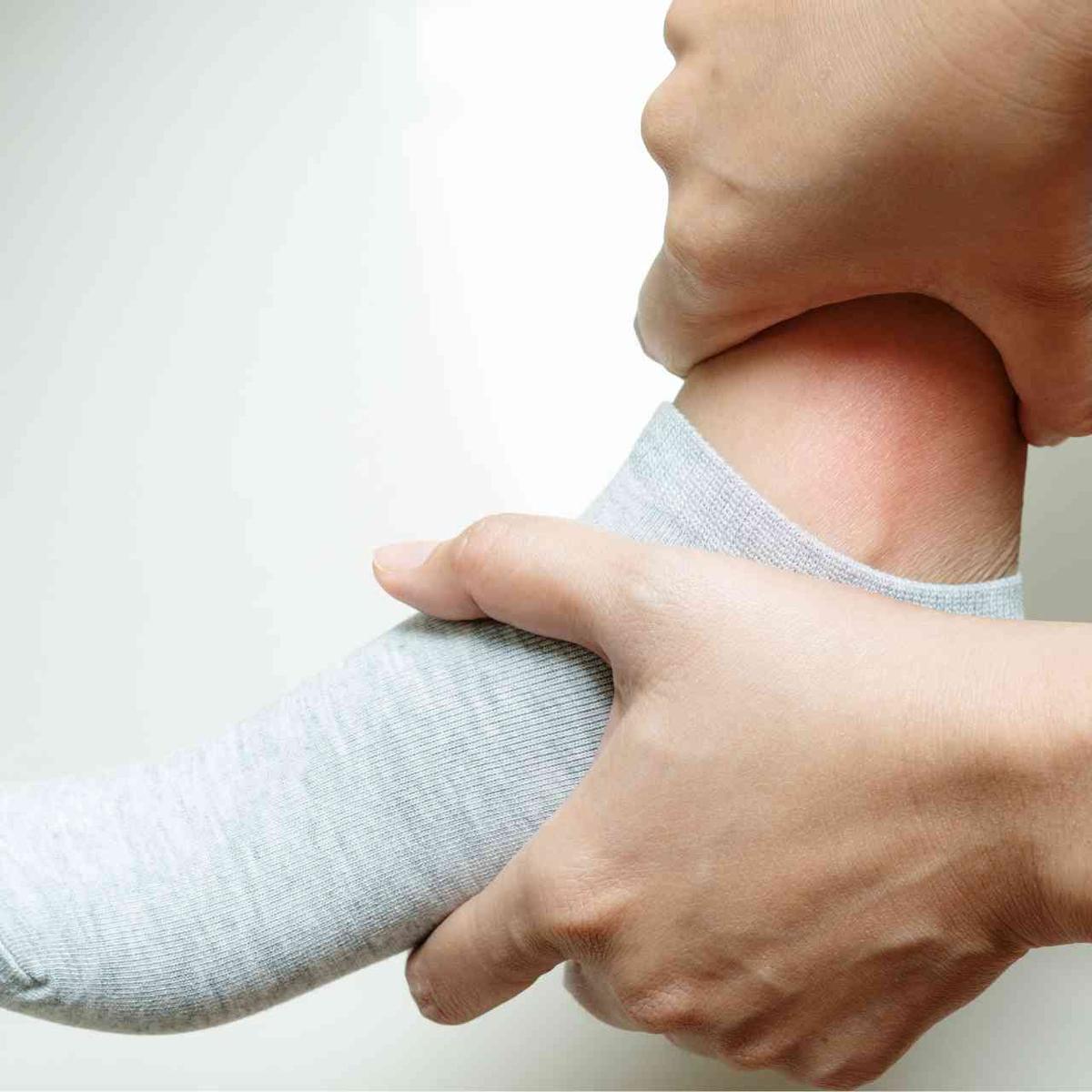
Plantar fasciitis is a condition that affects the underside of the foot, especially the heel. It typically occurs as a result of overuse, particularly in activities like running and prolonged standing. Plantar fasciitis often leads to pain and discomfort in the plantar fascia, a tendon-like structure that extends under the foot from the heel to the toes. The pain can be most intense in the morning or after extended periods of inactivity, such as when getting out of bed or after sitting for an extended period.

At Dr. Dropin, we have skilled practitioners who can assess your foot pain and help you receive the appropriate treatment.

See availability

Symptoms of plantar fasciitis

If you have plantar fasciitis, you may experience one or more of the following symptoms:

  • Pain under the heel or foot.
  • Pain with weight bearing - standing, walking, running
  • Increased pain on loading after sitting or lying down for a while
  • Can involve one or both feet.

Plantar fasciitis is a condition that can develop gradually, and the symptoms can vary in intensity. It is important to seek professional guidance for an accurate diagnosis and treatment if you experience these symptoms.

sanity imagesanity image

Treatment and prognosis

The treatment of plantar fasciitis often involves various approaches to achieve specific treatment goals. Here are some common treatment methods.

  • Pain relief: Through manual techniques such as joint adjustments, massage, and trigger point therapy, the pain in heel pain can be reduced.
  • Increased flexibility: Specific stretching exercises and techniques can help improve the flexibility of the calf and foot.
  • Strength training: Gradual introduction of strength exercises for the muscles in the calf and foot can help reduce strain on the tendon.
  • Biomechanical evaluation: Analysis of running technique and potential adjustment of footwear or orthotics to reduce stress on the plantar fascia.
  • Functional rehabilitation: Gradually resume running and other daily activities, with an emphasis on restoring optimal function in the foot.

It's important to understand that the treatment for plantar fasciitis should be tailored to individual needs and may vary from person to person. A thorough evaluation and close collaboration with an experienced physiotherapist or chiropractor are crucial for developing an effective treatment plan.

Custom fitted insoles

If you have plantar fasciitis, you may experience one or more of the following symptoms:

  • Pain under the heel or foot.
  • Pain with weight bearing - standing, walking, running
  • Increased pain on loading after sitting or lying down for a while
  • Can involve one or both feet.

Plantar fasciitis is a condition that can develop gradually, and the symptoms can vary in intensity. It is important to seek professional guidance for an accurate diagnosis and treatment if you experience these symptoms.

See availability
Hvordan fungerer såler?

Shockwave therapy for plantar fasciitis

Extracorporeal shock wave therapy can be an effective measure against plantar fasciitis. We have therapists with expertise in shock wave therapy at all our clinics.

Read more about the treatment method here.

Shockwave therapy
Hvordan fungerer såler?Hvordan fungerer såler?

When should you book an appointment?

If you recognize the symptoms above and are experiencing any of the following issues, we recommend seeking professional guidance:

  • Pain or reduced mobility that has persisted for more than a week without improvement.
  • Severe symptoms that you need assistance in reducing quickly.
  • Symptoms that cause you concern or that you believe may be due to more serious conditions.

Remember that early assistance from a therapist can reduce the duration of your issues and contribute to achieving the best possible outcome. You should never worry that your problems are "too small" - we take all types of issues seriously.

See availability

sanity imagesanity image

Find clinic and therapist

Find therapist

Find a therapist that suits you and your needs by filtering on one or more criteria.

Telephone

Authorized healthcare personnel assist you over the phone. We answer the phone within 60 seconds. Free of charge.

Use your health insurance

We cooperate with all the major insurance companies, so that you can use your health insurance with us if you have foot pain or other problems.

Read more about how to use your health insurance here
sanity imagesanity image

What can you do by yourself?

Although treatment for plantar fasciitis typically involves professional guidance and therapy, there are several measures you can take to alleviate symptoms and improve your condition:

  • Follow recommended exercises: If you have been prescribed home exercises by your therapist, it's important to perform them regularly.
  • Continue to be active: Do not completely stop jogging. If you can jog short distances without experiencing pain, this is usually acceptable.
  • Pain relief: Pain can sometimes be reduced by using an ice pack, heating pad, a warm shower, or by performing gentle movements.
  • Medications: Use over-the-counter pain relievers as directed by healthcare professionals.
  • Adjust activities: Avoid activities that lead to prolonged worsening of the foot pain (more than 12 hours).
  • Maintain good communication with your therapist: So that the treatment plan can be adjusted to any changes you experience.

If you have not yet had the condition examined or have deviated from the treatment plan, it is recommended to contact healthcare professionals for further guidance.

See availability

Sources

1. Gollwitzer H, Saxena A, DiDomenico LA, et al. Clinically relevant effectiveness of focused extracorporeal shock wave therapy in the treatment of chronic plantar fasciitis: a randomized, controlled multicenter study. J Bone Joint Surg Am. 2015;97(9):701-708.

2. Aqil et al. Extracorporeal shock wave therapy is effective in treating chronic plantar fasciitis: a meta-analysis of RCTs. Clin Orthop Relat Res. 2013;471(11):3645-3652.

3. Yin MC, Ye J, Yao M, et al. Is Extracorporeal Shock Wave Therapy Clinical Efficacy for Relief of Chronic, Recalcitrant Plantar Fasciitis? A Systematic Review and Meta-Analysis of Randomized Placebo or Active-Treatment Controlled Trials. Arch Phys Med Rehabil. 2014;95(9):1585-1593.

4. Abbassian A, Kohls-Gatzoulis J, Solan MC. Proximal medial gastrocnemius release in the treatment of recalcitrant plantar fasciitis. Foot Ankle Int. 2012;33(1):15-18.

5. Goyal PK, Goyal R, Singh S, et al. Platelet-rich plasma versus corticosteroid injection in the treatment of plantar fasciitis: A systematic review and meta-analysis. Foot (Edinb). 2021;49:101830.

6. Cinar E, Niyaz L, Ekinci S. Focused Extracorporeal Shock Wave Therapy vs Dry Needling for Chronic Plantar Fasciitis: A Randomized Controlled Trial. J Foot Ankle Surg. 2021;60(1):16-20.

7. Guimaraes JS, Arcanjo FL, Leporace G, et al. Effects of therapeutic interventions on pain due to plantar fasciitis: A systematic review and meta-analysis. Clin Rehabil. 2022;36(1):14-27.

8. Martin RL, Davenport TE, Reischl MS, et al. Heel Pain—Plantar Fasciitis: Revision 2018 Clinical Practice Guidelines Linked to the International Classification of Functioning, Disability and Health From the Orthopaedic Section of the American Physical Therapy Association. J Orthop Sports Phys Ther. 2018;48(11):A1-A30.

9. Young CC, Rutherford DS, Niedfeldt RW. Treatment of plantar fasciitis. Am Fam Physician. 2001;63(3):467-474, 477.

10. Thong- On S, et al. Effects of Strengthening and Stretching Exercises on the Temporospatial Gait Parameters in Patients With Plantar Fasciitis: A Randomized Controlled Trial. Ann Rehabil Med. 2019;43(5):540-550.

11. Engkananuwat P, Kanlayanaphotporn R, Purepong N. Effectiveness of the Simultaneous Stretching of the Achilles Tendon and Plantar Fascia in Individuals With Plantar Fasciitis. Foot Ankle Int. 2018;39(12):1478-1485.

12. Celik D, Kus G, Sirma SO. Joint mobilization and stretching exercise vs steroid Injection in the treatment of plantar fasciitis: A randomized controlled study. Foot Ankle Int. 2015;36(8):891-897.

13. Rathleff MS, Mølgaard TS, Fredberg U, et al. High-load strength training improves outcome in patients with plantar fasciitis: A randomized controlled trial with 12-month follow-up. Am J Sports Med. 2015;43(8):1988-1994.

14. DiGiovanni BF, Nawczenko DB, Lintal MR, et al. Tissue-specific plantar fascia-stretching exercise enhances outcomes in patients with chronic plantar fasciitis. J Bone Joint Surg Am. 2003;85-A(7):1270-1277.

Frequently asked questions about plantar fasciitis

What is plantar fasciitis?

Plantar fasciitis is a painful condition that affects the thick tendon that runs underneath the foot from the heel to the toes.

What are the most common causes of plantar fasciitis?

The most common causes of plantar fasciitis include overuse, improper arch support, ill-fitting footwear, and prolonged standing.

What are the symptoms associated with plantar fasciitis?

Symptoms of plantar fasciitis include heel pain, especially in the morning, as well as arch pain.

How can I relieve pain from plantar fasciitis?

You can relieve pain from plantar fasciitis by using an ice pack, performing stretching exercises, getting a massage, wearing proper footwear and orthotics, and avoiding prolonged standing.

How long does it take to recover from plantar fasciitis?

The time it takes to recover from plantar fasciitis varies, but most people experience improvement within a few months with proper treatment and self-care.

Does shockwave therapy work for plantar fasciitis?

Extracorporeal shock wave therapy (ESWT) may have a positive effect on pain from plantar fasciitis. The effect appears to be most significant when combined with exercises and other treatment measures.