


Dr. Dropin and Grete Roede collaborate for holistic weight control
We are now combining doctor-led medical weight loss with Norway's leading expertise in nutrition.
Overweight and obesity are chronic conditions that require a comprehensive and professional approach. The causes are complex, and a "quick fix" is rarely the solution.
Dr.Dropin's program for Medical Weight Loss is always doctor-led. We are now expanding this program through a strategic partnership with Grete Roede to give you the most complete toolbox for a lasting lifestyle change.
We combine the best of three worlds:
- Medical Treatment (The Doctor)
- Diet and Nutrition (Our partner Grete Roede)
- Movement and Activity (Our Physiotherapist)

The core of the program: Doctor-led treatment
Your journey with us always starts with the doctor. This is the foundation of your treatment and ensures a safe, medically sound approach to your weight loss.
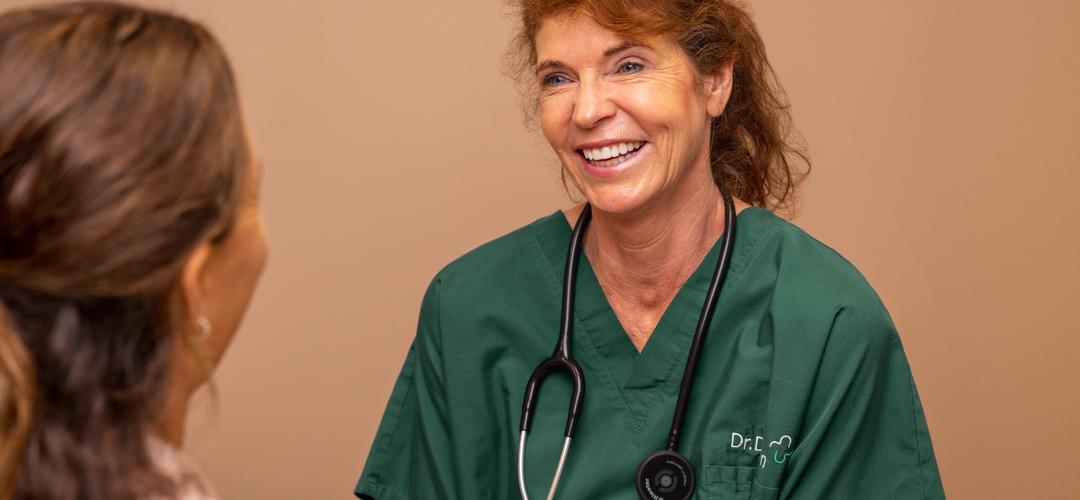
- Thorough Assessment: The doctor conducts a full assessment of your health status, medical history, and personal goals.
- Individual Treatment Plan: You receive a personalized plan. For those who qualify, this may include modern, effective medications (such as GLP-1 analogues) that reduce appetite and increase satiety.
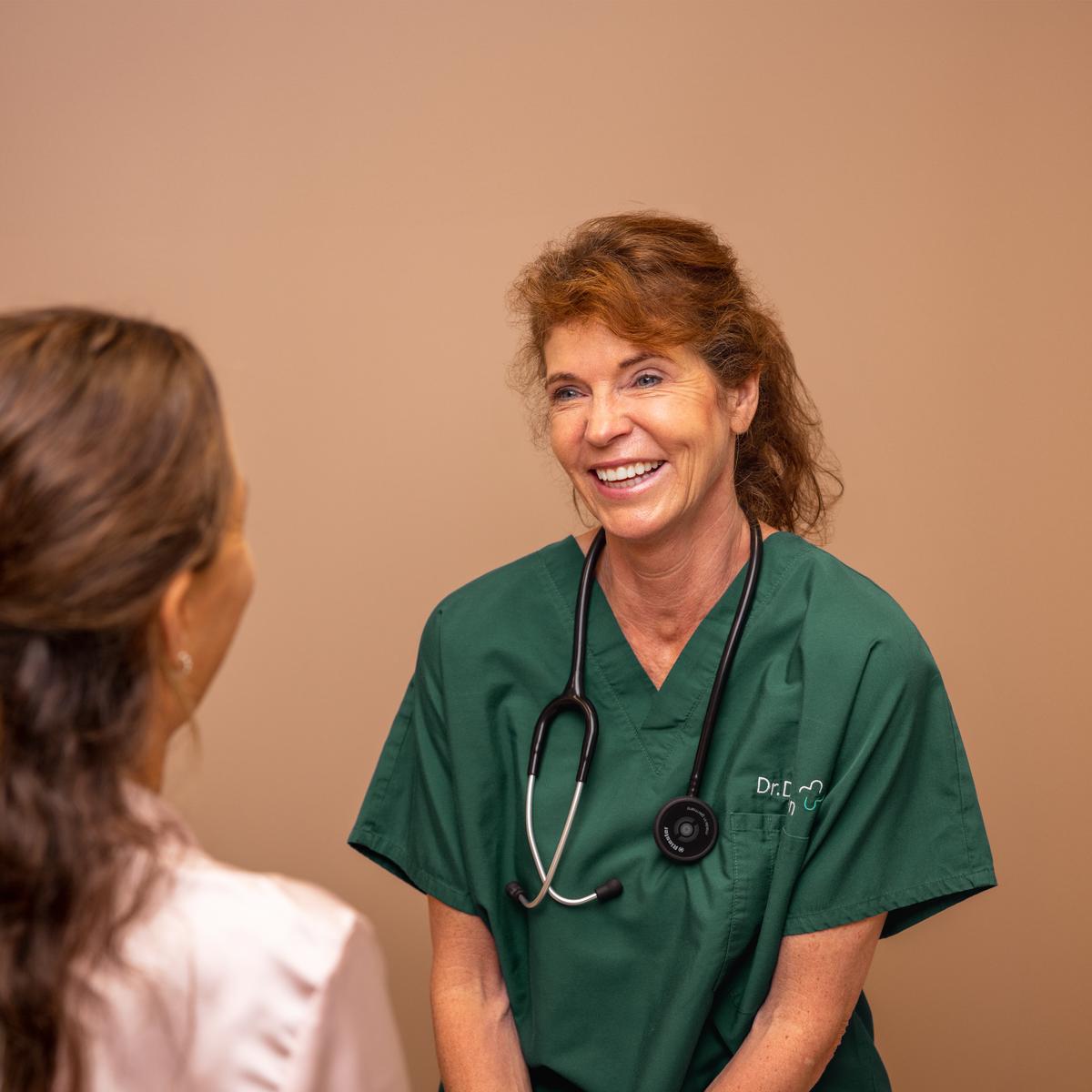
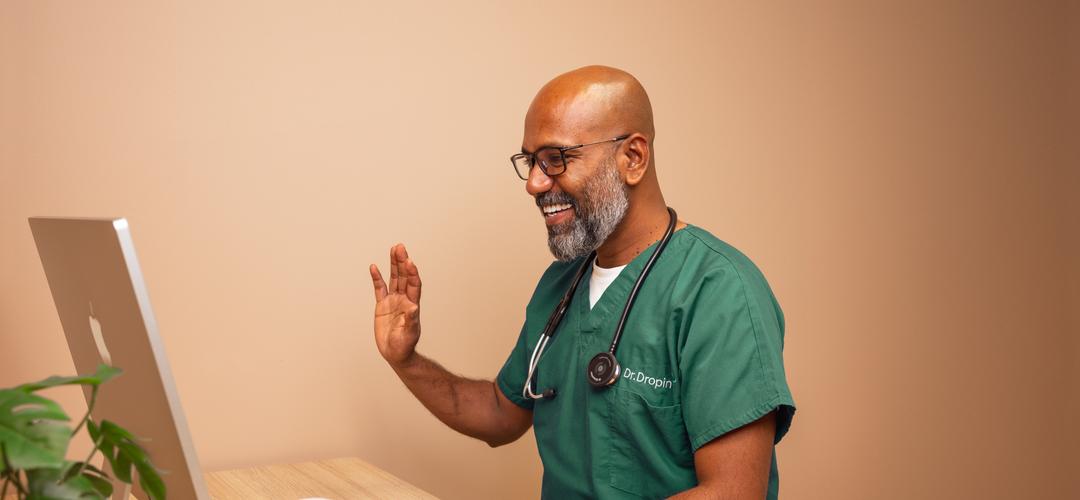
- Close Medical Follow-up: You are closely monitored by your doctor (in-clinic or via video) to ensure optimal results, manage any side effects, and adjust your plan along the way.

Holistic support for a lasting lifestyle
When you are in the Medical Weight Loss program, you get access to a complete interdisciplinary support system to succeed with lasting changes.
1. Diet and Nutrition (In partnership with Grete Roede)
As a patient with us, you now get exclusive benefits from Grete Roede – Norway's most experienced expert in diet and lifestyle change.
- Free nutritional consultation Get a professional assessment (15-30 min) over the phone with a certified Roede supervisor about your diet and your goals.
- How to: Send an SMS with the keyword "dropin" to 2065.
- Free access to the Grete Roede app for 30 days Get full access to the app that helps you build a nutritious diet. Includes a daily Diet Score, over 1600 recipes, calorie counter, and meal plans.
- How to: Use code "dropin"
- (Note: After 30 days, the service costs NOK 99/month. The app has no binding period, and you can cancel at any time before the 30 days are over to avoid charges).
- Discounted Roede Membership For those who want close, personal follow-up. Includes weekly meetings (physical or digital), a personal supervisor, customized menus, and full app access.
- Price: Only NOK 999,- per month (no binding period).
- How to: Purchase the membership directly via this link.

Movement and Guidance (With Dr.Dropin Physiotherapy)
A new lifestyle requires new movement. Our physiotherapists are specialists in adapting activity to your body and your goals.
- As a Roede member, you get a 15% discount at a physiotherapist
- Personalized plan: Get help to get started with an activity that is safe, effective and motivating for you, regardless of your starting point.

Your path to sustainable weight loss
Our goal is not a quick diet, but to assist you in achieving lasting weight loss and better health.
By combining doctor-led medical treatment with expert guidance on nutrition (Grete Roede) and movement (Dr.Dropin Physiotherapy), we give you the most comprehensive program to succeed.
Book appointment for Medical Weight Loss (Video)Book appointment for Medical Weight Loss (Clinic)
Start your weight loss with Dr. Dropin
Medical treatment of obesity with scientifically documented methods, guidance and follow-up.

Medical Weight Loss on video
Suitable for those who want flexibility and want to meet the doctor from home or on the go.
✔️ Available throughout Norway on video

Medical Weight Loss in Clinic
Suitable for those who want a thorough physical examination and personal follow-up at one of our clinics.
✔️ Oslo ✔️ Sandvika ✔️ Lillestrøm ✔️ Bergen ✔️ Stavanger ✔️Trondheim ✔️Kristiansand
FAQ
I'm already on weight medication. Can I get follow-up?
If you are already taking weight medicine, but want to have quality-assured treatment and/or receive further follow-up from us, you can still start a course with Dr. Dropin.
Book an assessment session in the booking process.
I'm already on weight medication. Can I get follow-up?
If you are already taking weight medicine, but want to have quality-assured treatment and/or receive further follow-up from us, you can still start a course with Dr. Dropin.
Book an assessment session in the booking process.
Do you need to prepare for the first consultation?
It is not a requirement to make preparations, but it may be a good idea to have thought through the following: your health and weight history. What do you wish to achieve with this program? Do you have any regular medications or known illnesses that the physician should be aware of?
Do you need to prepare for the first consultation?
It is not a requirement to make preparations, but it may be a good idea to have thought through the following: your health and weight history. What do you wish to achieve with this program? Do you have any regular medications or known illnesses that the physician should be aware of?
What if I don't have the opportunity to meet physically?
At Dr.Dropin, we understand that lifestyles and preferences vary. Therefore, we offer two flexible options for our medical weight loss program:
Physical Consultations at the Clinic:
For those who prefer personalized follow-up and thorough examinations, we offer consultations at our clinics in Oslo, Sandvika, Lillestrøm, Trondheim, Stavanger, and Bergen.
Digital Video Consultations:
For maximum flexibility, you can participate in the program from anywhere in Norway via video consultation. This option allows you to meet with your doctor from home or on the go.
Follow-up Tailored to Your Needs:
Regardless of which option you choose, follow-up can take place via video or in the clinic.
What if I don't have the opportunity to meet physically?
At Dr.Dropin, we understand that lifestyles and preferences vary. Therefore, we offer two flexible options for our medical weight loss program:
Physical Consultations at the Clinic:
For those who prefer personalized follow-up and thorough examinations, we offer consultations at our clinics in Oslo, Sandvika, Lillestrøm, Trondheim, Stavanger, and Bergen.
Digital Video Consultations:
For maximum flexibility, you can participate in the program from anywhere in Norway via video consultation. This option allows you to meet with your doctor from home or on the go.
Follow-up Tailored to Your Needs:
Regardless of which option you choose, follow-up can take place via video or in the clinic.
How long does it take before I get a response from the doctor after the first consultation?
Analysis of the blood sample takes up to 5 days. The doctor will then make an overall assessment as to whether you are qualified for the weight medication. If you meet the requirements, a digital prescription will be sent out and a message in Patient Cloud to collect the first dose from the pharmacy and take it with you to the follow-up appointment.
If you do not qualify for weight medicine, the doctor will also create a dialogue with you in Patientsky.
How long does it take before I get a response from the doctor after the first consultation?
Analysis of the blood sample takes up to 5 days. The doctor will then make an overall assessment as to whether you are qualified for the weight medication. If you meet the requirements, a digital prescription will be sent out and a message in Patient Cloud to collect the first dose from the pharmacy and take it with you to the follow-up appointment.
If you do not qualify for weight medicine, the doctor will also create a dialogue with you in Patientsky.
What happens if you do not qualify for the medicine?
The main point of the survey is to check whether it is safe for the patient to use weight-reducing medicine, and the patients' health always comes first. If, for various reasons, the patient does not meet the requirements, you will be notified of this in Patient Cloud with information and advice on the further process.
What happens if you do not qualify for the medicine?
The main point of the survey is to check whether it is safe for the patient to use weight-reducing medicine, and the patients' health always comes first. If, for various reasons, the patient does not meet the requirements, you will be notified of this in Patient Cloud with information and advice on the further process.
What does the medicine cost?
You pay for the medicine at the pharmacy. The medicines have different prices, but based on the preparation, dose and quantity, you can expect a cost of between NOK 1,500-3,000 a month. The price is determined by the Norwegian Medicines Agency, and Dr. Dropin has no influence in this.
What does the medicine cost?
You pay for the medicine at the pharmacy. The medicines have different prices, but based on the preparation, dose and quantity, you can expect a cost of between NOK 1,500-3,000 a month. The price is determined by the Norwegian Medicines Agency, and Dr. Dropin has no influence in this.
Do I have to take the medicine for the rest of my life?
Our goal is always for our patients to be able to stop taking the medication. We emphasize working with lifestyle changes in the treatment process, so that better diet and physical activity become part of everyday life while the medication is taken. When the goal is reached, you work closely with your doctor to draw up a plan that ensures a successful tapering of the medication without weight gain.
Do I have to take the medicine for the rest of my life?
Our goal is always for our patients to be able to stop taking the medication. We emphasize working with lifestyle changes in the treatment process, so that better diet and physical activity become part of everyday life while the medication is taken. When the goal is reached, you work closely with your doctor to draw up a plan that ensures a successful tapering of the medication without weight gain.
How do weight loss medications work?
Medicines for weight loss usually work by reducing appetite, increasing the feeling of satiety, or reducing the absorption of fat in the intestine. These medicines should always be taken under the supervision of a doctor.
How do weight loss medications work?
Medicines for weight loss usually work by reducing appetite, increasing the feeling of satiety, or reducing the absorption of fat in the intestine. These medicines should always be taken under the supervision of a doctor.
Are there any side effects of using weight loss drugs?
Yes, weight loss medications can have side effects, which can include nausea, constipation, diarrhea, headaches, and in some cases more serious effects. It is important to discuss possible side effects with your doctor before starting any medication.
Are there any side effects of using weight loss drugs?
Yes, weight loss medications can have side effects, which can include nausea, constipation, diarrhea, headaches, and in some cases more serious effects. It is important to discuss possible side effects with your doctor before starting any medication.
Can I lose weight without exercising?
Yes, it is possible to lose weight without exercise, although physical activity can help you achieve better results and improve your overall health. Here are some tips on how you can lose weight through dietary changes and lifestyle habits:
Calorie deficit: To lose weight, you need to consume fewer calories than you use. This can be achieved by eating smaller portions and choosing foods with a lower calorie content.
Healthier food choices: Focus on eating nutritious foods such as vegetables, fruit, lean meats, fish, whole grains and healthy fat sources such as avocados and nuts. Avoid sugary drinks, fast food and processed foods that are high in fat and sugar.
Regular meals: Eat regular meals and avoid skipping meals. This can help you avoid overeating later in the day.
Hydration: Drink plenty of water. Sometimes thirst can be mistaken for hunger, and staying hydrated can help control your appetite.
Limiting snacking: Reduce your intake of snacks and choose healthy options when you get hungry between meals. Fruit, vegetables and protein-rich snacks can be good choices.
Mindful eating: Be aware of what and how much you eat. Eat slowly, enjoy your food, and listen to your body's signals about hunger and satiety.
Avoid alcohol: Alcohol can be a significant source of empty calories. Limit your intake to reduce calorie intake.
Although it is possible to lose weight without exercise, physical activity offers many benefits, including improved cardiovascular health, increased muscle mass, improved mood and increased energy levels. Combining dietary changes with regular physical activity, even if it's just daily walks, can help you achieve and maintain a healthy weight more effectively. If you have health concerns or specific goals, you may want to consult a healthcare professional or nutritionist for an individual plan.
Can I lose weight without exercising?
Yes, it is possible to lose weight without exercise, although physical activity can help you achieve better results and improve your overall health. Here are some tips on how you can lose weight through dietary changes and lifestyle habits:
Calorie deficit: To lose weight, you need to consume fewer calories than you use. This can be achieved by eating smaller portions and choosing foods with a lower calorie content.
Healthier food choices: Focus on eating nutritious foods such as vegetables, fruit, lean meats, fish, whole grains and healthy fat sources such as avocados and nuts. Avoid sugary drinks, fast food and processed foods that are high in fat and sugar.
Regular meals: Eat regular meals and avoid skipping meals. This can help you avoid overeating later in the day.
Hydration: Drink plenty of water. Sometimes thirst can be mistaken for hunger, and staying hydrated can help control your appetite.
Limiting snacking: Reduce your intake of snacks and choose healthy options when you get hungry between meals. Fruit, vegetables and protein-rich snacks can be good choices.
Mindful eating: Be aware of what and how much you eat. Eat slowly, enjoy your food, and listen to your body's signals about hunger and satiety.
Avoid alcohol: Alcohol can be a significant source of empty calories. Limit your intake to reduce calorie intake.
Although it is possible to lose weight without exercise, physical activity offers many benefits, including improved cardiovascular health, increased muscle mass, improved mood and increased energy levels. Combining dietary changes with regular physical activity, even if it's just daily walks, can help you achieve and maintain a healthy weight more effectively. If you have health concerns or specific goals, you may want to consult a healthcare professional or nutritionist for an individual plan.
Why don't I lose weight when I eat little?
There can be several reasons why you are not losing weight even though you feel that you are eating little. Here are some common factors that can play a role:
Hidden calories: Even small amounts of certain foods can contain many calories. Be aware of what you eat, including beverages such as coffee with sugar or cream, alcohol and snacks.
Too little food: Eating too little can put the body into "starvation mode," where the metabolism slows down to conserve energy. This can make weight loss more difficult.
Wrong food choices: Eating little but high-calorie or nutrient-poor foods can prevent weight loss. Focus on nutritious food that gives the body the necessary nutrients without too many calories.
Lack of balance in the diet: A balanced diet with sufficient protein, fat and carbohydrates is important to keep the metabolism active and maintain muscle mass.
Fluid retention: The body can retain fluid for various reasons, including high salt intake, hormonal changes and certain medical conditions.
Lack of physical activity: Although diet is important, physical activity also plays a role in weight loss. Exercise increases calorie burning and can help preserve muscle mass.
Stress: Stress can affect the hormonal balance and increase the secretion of cortisol, which can contribute to weight gain, especially around the stomach area.
Sleep: Insufficient sleep can affect the hormones that regulate hunger and satiety, and can lead to increased appetite and weight loss.
Medical conditions: Certain medical conditions such as hypothyroidism, PCOS (polycystic ovary syndrome), and other hormonal imbalances can make weight loss more difficult.
Medicines: Some medicines can cause weight gain or make it harder to lose weight. Discuss this with your doctor if you suspect that medication may be the cause.
If you are experiencing difficulty losing weight despite eating little and feeling like you are doing everything right, it may be helpful to consult a weight specialist. A doctor can help you identify any underlying causes and develop an individualized plan to suit your needs.
Why don't I lose weight when I eat little?
There can be several reasons why you are not losing weight even though you feel that you are eating little. Here are some common factors that can play a role:
Hidden calories: Even small amounts of certain foods can contain many calories. Be aware of what you eat, including beverages such as coffee with sugar or cream, alcohol and snacks.
Too little food: Eating too little can put the body into "starvation mode," where the metabolism slows down to conserve energy. This can make weight loss more difficult.
Wrong food choices: Eating little but high-calorie or nutrient-poor foods can prevent weight loss. Focus on nutritious food that gives the body the necessary nutrients without too many calories.
Lack of balance in the diet: A balanced diet with sufficient protein, fat and carbohydrates is important to keep the metabolism active and maintain muscle mass.
Fluid retention: The body can retain fluid for various reasons, including high salt intake, hormonal changes and certain medical conditions.
Lack of physical activity: Although diet is important, physical activity also plays a role in weight loss. Exercise increases calorie burning and can help preserve muscle mass.
Stress: Stress can affect the hormonal balance and increase the secretion of cortisol, which can contribute to weight gain, especially around the stomach area.
Sleep: Insufficient sleep can affect the hormones that regulate hunger and satiety, and can lead to increased appetite and weight loss.
Medical conditions: Certain medical conditions such as hypothyroidism, PCOS (polycystic ovary syndrome), and other hormonal imbalances can make weight loss more difficult.
Medicines: Some medicines can cause weight gain or make it harder to lose weight. Discuss this with your doctor if you suspect that medication may be the cause.
If you are experiencing difficulty losing weight despite eating little and feeling like you are doing everything right, it may be helpful to consult a weight specialist. A doctor can help you identify any underlying causes and develop an individualized plan to suit your needs.
Where do you lose fat first?
Fat loss from the body does not occur in a specific, predictable way and can vary from person to person. Generally speaking, here are some key points about where fat is often lost first:
Individual differences: Where one loses fat first depends on genetic factors. Some people may lose fat in the face first, while others may notice fat loss in the stomach or hips first.
Larger fat stores: The body tends to lose fat from areas with larger fat stores first. For many men this may be the stomach area, while women often experience fat loss from the hips and thighs.
Overall fat loss: It is important to note that fat loss occurs all over the body and it is difficult to target specific areas through exercise or diet alone.
Lifestyle and hormonal factors: Lifestyle such as diet and physical activity, as well as hormonal factors, can also affect where fat is lost first. Stress levels and sleep patterns can, for example, affect the hormones that regulate fat storage and loss.
Visceral vs. subcutaneous fat: Some studies suggest that visceral fat (fat around the organs) can be reduced faster than subcutaneous fat (fat under the skin). This means that even if you don't see visible changes at first, there may be health benefits to reducing visceral fat first.
Remember that a healthy approach to weight loss involves a balanced diet, regular physical activity and patience. It is also a good idea to consult a doctor for guidance tailored to your individual needs and goals.
Where do you lose fat first?
Fat loss from the body does not occur in a specific, predictable way and can vary from person to person. Generally speaking, here are some key points about where fat is often lost first:
Individual differences: Where one loses fat first depends on genetic factors. Some people may lose fat in the face first, while others may notice fat loss in the stomach or hips first.
Larger fat stores: The body tends to lose fat from areas with larger fat stores first. For many men this may be the stomach area, while women often experience fat loss from the hips and thighs.
Overall fat loss: It is important to note that fat loss occurs all over the body and it is difficult to target specific areas through exercise or diet alone.
Lifestyle and hormonal factors: Lifestyle such as diet and physical activity, as well as hormonal factors, can also affect where fat is lost first. Stress levels and sleep patterns can, for example, affect the hormones that regulate fat storage and loss.
Visceral vs. subcutaneous fat: Some studies suggest that visceral fat (fat around the organs) can be reduced faster than subcutaneous fat (fat under the skin). This means that even if you don't see visible changes at first, there may be health benefits to reducing visceral fat first.
Remember that a healthy approach to weight loss involves a balanced diet, regular physical activity and patience. It is also a good idea to consult a doctor for guidance tailored to your individual needs and goals.
Can you gain weight by eating too little?
Yes, it is possible to gain weight or have difficulty losing weight if you eat too little. When the body receives too little food, it can reduce its metabolism to conserve energy, which leads to lower calorie burning. Strict calorie restriction can also lead to loss of muscle mass, which in turn reduces metabolism. This can increase the feeling of hunger and the risk of overeating, which can lead to weight gain. Hormonal changes as a result of hunger can also increase hunger and reduce feelings of satiety. Too little food can also lead to fluid retention, which can temporarily increase weight. Psychological stress from strict diets can negatively affect eating behaviour. To lose weight in a healthy way, you should eat enough calories, focus on nutritious foods, maintain a balanced diet, include regular physical activity, and avoid extreme diets. Feel free to consult a doctor for personal guidance.
Can you gain weight by eating too little?
Yes, it is possible to gain weight or have difficulty losing weight if you eat too little. When the body receives too little food, it can reduce its metabolism to conserve energy, which leads to lower calorie burning. Strict calorie restriction can also lead to loss of muscle mass, which in turn reduces metabolism. This can increase the feeling of hunger and the risk of overeating, which can lead to weight gain. Hormonal changes as a result of hunger can also increase hunger and reduce feelings of satiety. Too little food can also lead to fluid retention, which can temporarily increase weight. Psychological stress from strict diets can negatively affect eating behaviour. To lose weight in a healthy way, you should eat enough calories, focus on nutritious foods, maintain a balanced diet, include regular physical activity, and avoid extreme diets. Feel free to consult a doctor for personal guidance.
How can you help me change my lifestyle in parallel with the medications?
We have a multidisciplinary team, and offer, among other things, a free session with a physiotherapist to get good help when transitioning to a new lifestyle.
Read more here.
How can you help me change my lifestyle in parallel with the medications?
We have a multidisciplinary team, and offer, among other things, a free session with a physiotherapist to get good help when transitioning to a new lifestyle.
Read more here.